



Let’s get one thing out of the way first. If you’re on Ozempic, Wegovy, Mounjaro or one of the other GLP-1 medications, you’ll get zero judgement from me. Not one bit.
These drugs have changed the conversation around weight loss, and for plenty of people they’ve been genuinely life-changing. Whether you’ve been prescribed one for diabetes, for weight management or for another health reason, that’s between you and your doctor. My job is the part that comes next: making sure the weight you lose is the right kind of weight.
Because here’s the thing nobody puts on the box. When you lose weight quickly, you don’t only lose fat.
Fat loss vs weight loss
The scale can’t tell the difference between a kilo of fat and a kilo of muscle. Your body definitely can.
When you eat a lot less, which is exactly what these medications help you do, your body looks for energy wherever it can find it. Some of that comes from fat stores. But if you’re not giving your muscles a reason to stick around, a fair chunk of the weight you lose can come from muscle too.
Why does that matter? Muscle isn’t just about looking toned. It’s what gets you up off the couch, carries the shopping and keeps you steady on the stairs. It helps your body manage blood sugar, and it’s a big part of your metabolism. Lose too much of it, and you can end up lighter but weaker, more tired, and more likely to regain the weight down the track.
The goal isn’t just a smaller number on the scale. It’s a stronger body at that new number.
So if you’re on one of these medications, I’d argue strength training isn’t optional. It’s the insurance policy.
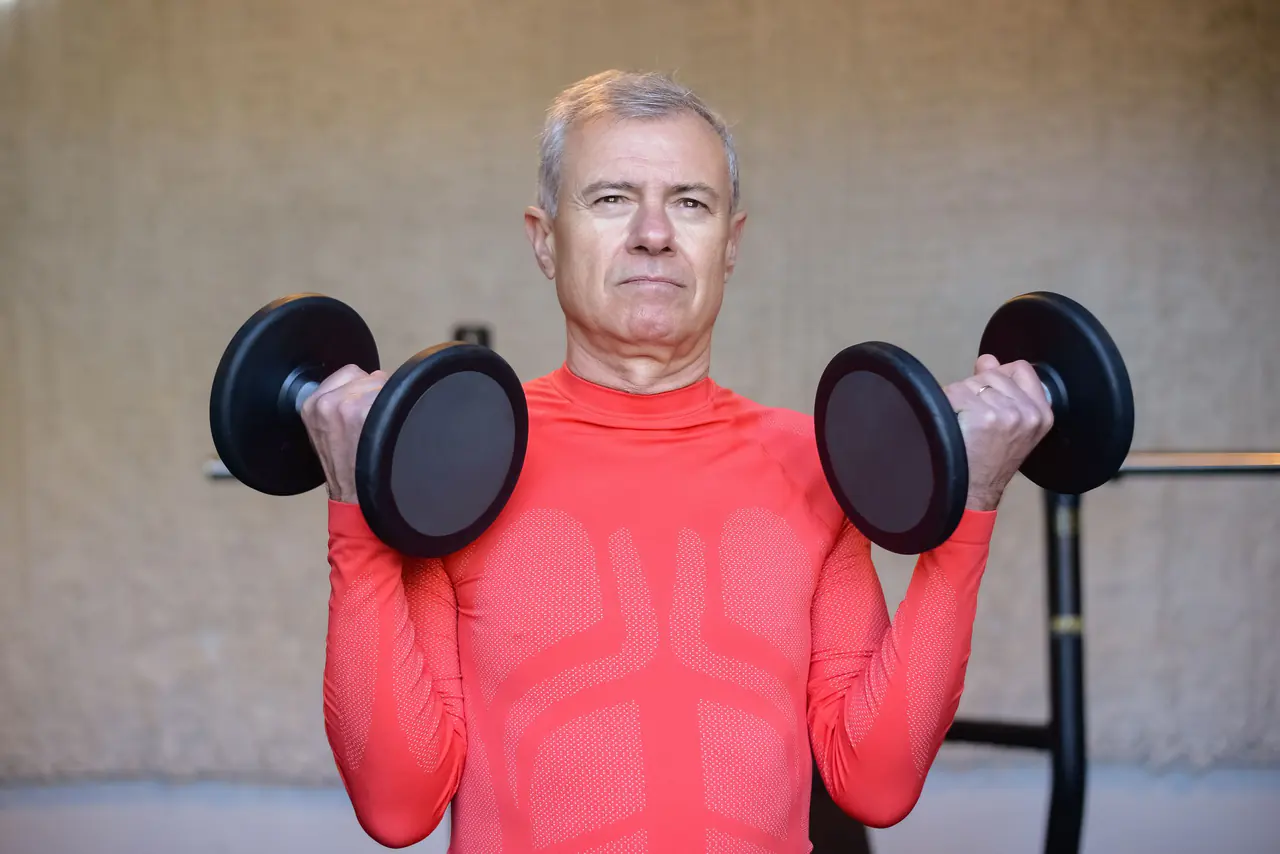
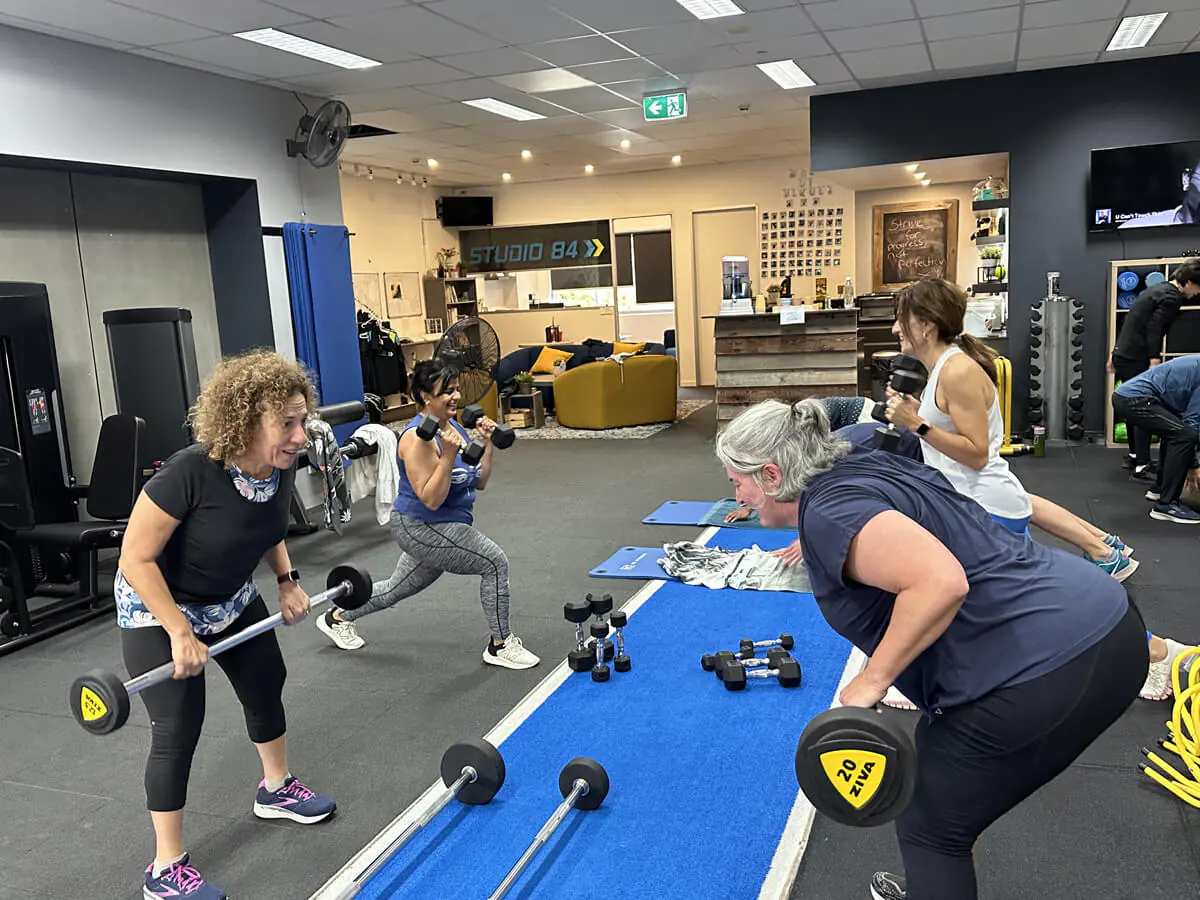
Lift something, twice a week
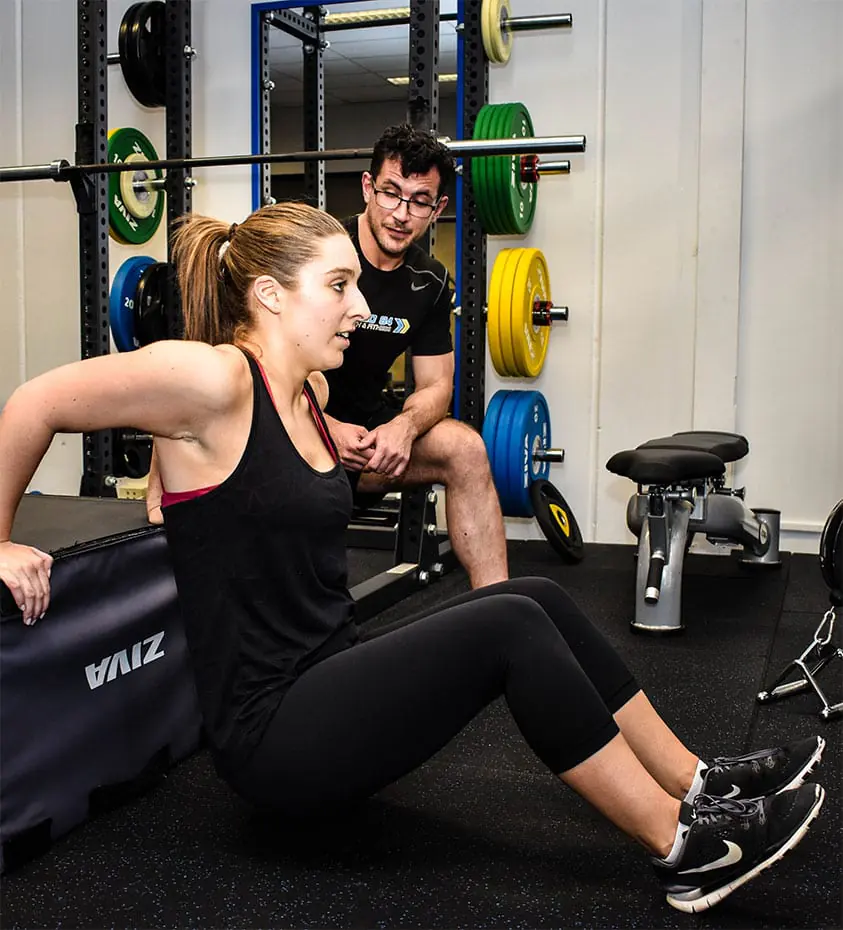
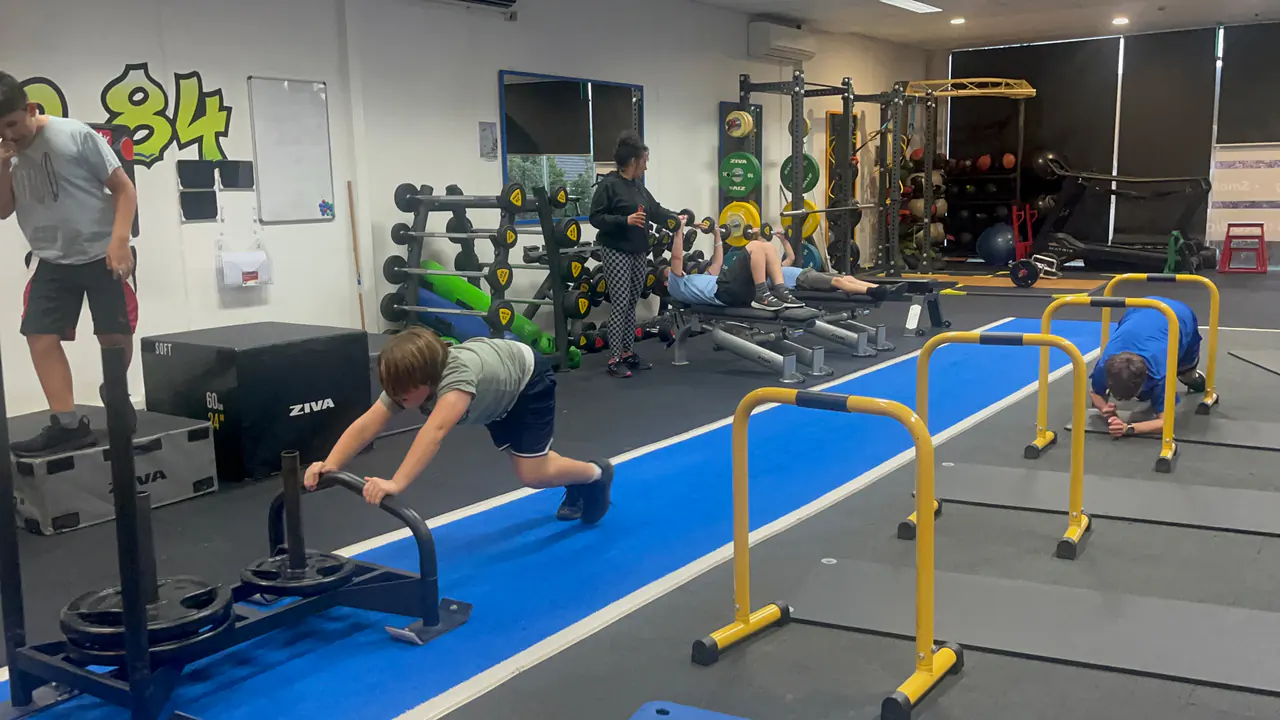
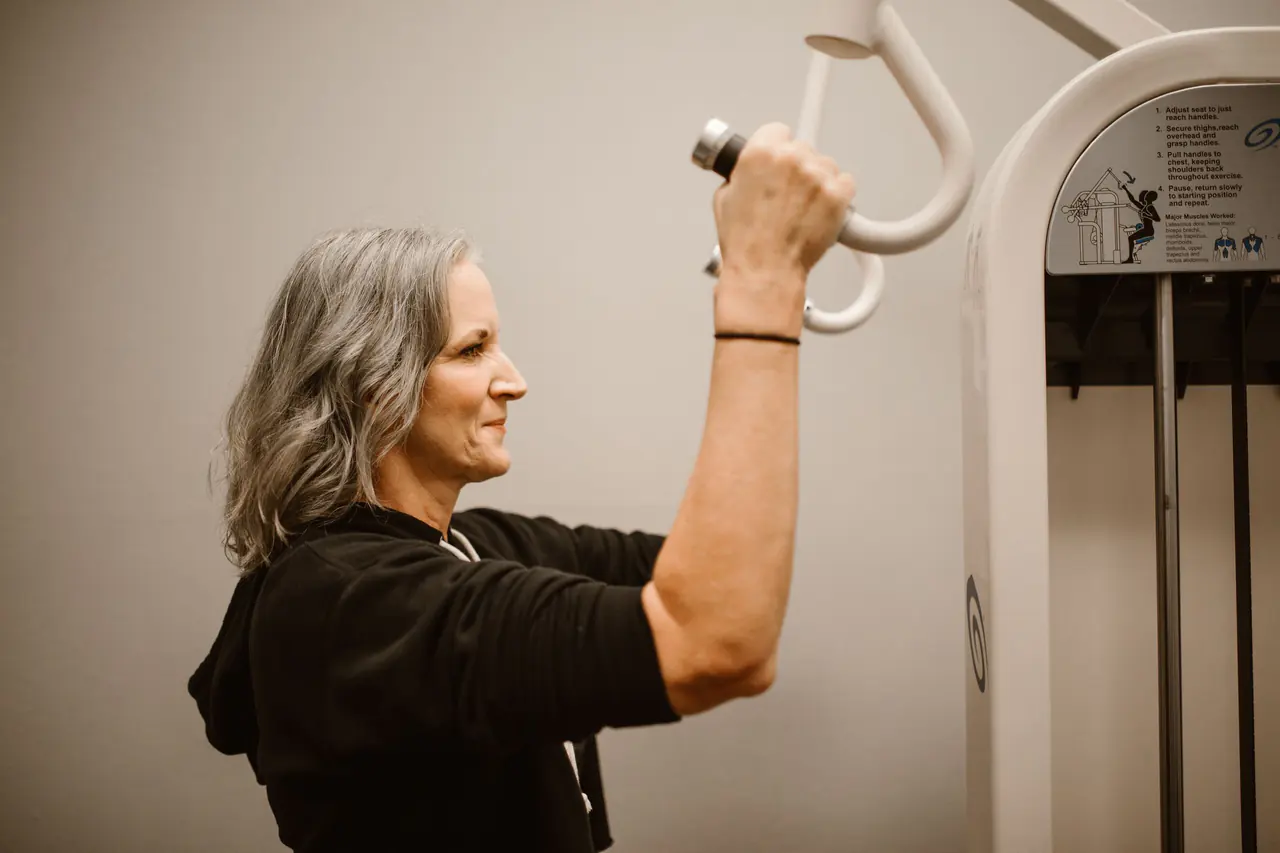
You don’t need to become a powerlifter. You need to give your muscles a clear signal: we’re still using you, so don’t go anywhere.
Australia’s physical activity guidelines already recommend muscle-strengthening work on at least two days a week for adults. That’s a good place to start. Here’s what I’d focus on:
- Big movements. Squats, hinges like a deadlift or kettlebell swing, pushes and pulls. These work lots of muscle at once.
- Enough challenge. The last couple of reps of each set should feel hard. If you could do another ten, it’s time to go heavier.
- Steady progress. Add a little weight, a rep or a set over time. Your body adapts to what you ask of it.
- Consistency over intensity. Two solid sessions every week for months will beat one heroic session followed by a fortnight off.
If you’re new to lifting, or you’ve got niggles, get someone to show you the ropes. Good technique now saves a lot of grief later.
Protein first, every meal
The other half of the muscle equation is food, and this is where GLP-1 medications make things tricky. They’re designed to make you feel fuller and less interested in eating. Great for portion control. Not so great when you’re barely getting through half a sandwich at lunch.
When your appetite is small, every mouthful counts. That’s why I tell members on these medications to put protein first: eat it at the start of the meal, before the filler.
A few easy ways to do it:
- Start the day with eggs, Greek yoghurt or a protein-rich smoothie.
- Build lunch and dinner around a palm-sized serve (or two) of chicken, fish, meat, tofu, tempeh or legumes.
- Keep simple snacks handy: cottage cheese, a tin of tuna, edamame, a boiled egg.
- If whole food is a struggle on low-appetite days, a protein shake can help fill the gap.
For most active people, somewhere around 1.2 to 1.6 grams of protein per kilo of body weight a day is a sensible target. Your GP or a dietitian can help you set the right number, especially if you have other health conditions. I dig into this more in How Much Protein Do You Actually Need?.
And don’t forget water. Lower appetite often means lower fluid intake too, and dehydration makes training feel a whole lot harder than it should.
Listen to your body (and your doctor)
Some people feel great on these medications from day one. Others deal with nausea, low energy or tummy trouble, especially when the dose changes. On those days, adjust:
- Train a bit lighter, or swap a hard class for a walk or a mobility session.
- Eat something small before you train so you’re not running on empty.
- Don’t push through dizziness or feeling faint. Stop, sit down and let your coach know.
Medication questions are always a conversation for your GP. I’m a coach, not a doctor, and I’ll never tell you to change a dose or come off something. What I can do is make sure your training and eating are working with your treatment, not against it.
Think beyond the medication
Here’s my biggest piece of advice. At some point, many people reduce or stop their medication, and that’s when the habits you’ve built really matter.
If you’ve used this window to get stronger, learn how to eat well, and make training a non-negotiable part of your week, you’re in a far better position to hold on to your results. If the medication did all the work, the old habits are still waiting for you.
That’s exactly why we start every new member with a movement screening and a program built around them. Whether you’re on medication or not, the plan is the same: protect your muscle, build your fitness, and set yourself up for the long haul.
Use the medication as a head start, not the whole race.
Want to know why your muscle matters so much in the long run? Read Muscle Is Your Retirement Plan.