



Most of us have some kind of plan for retirement. Super, savings, maybe an investment property if you’re lucky. We put a little away every pay cycle so that one day, decades from now, we can live comfortably.
Here’s the thing nobody tells you: your muscles need a retirement plan too. And if you don’t start paying into it, the bill comes due at exactly the moment you want to be enjoying life.
The slow leak
From somewhere around our thirties and forties, most of us start losing muscle. It’s gradual. You don’t wake up one day weak. It’s a slow leak, a little each year, and it tends to speed up as we get older. There’s even a name for the serious end of it: sarcopenia, the age-related loss of muscle mass and strength.
The scary part is how quietly it happens. Your body weight might not change at all. You might even look roughly the same in the mirror. But underneath, muscle is being replaced by fat, and your strength is drifting away with it.
Then one day you notice. The suitcase feels heavier than it used to. Getting up off the couch takes a hand on the armrest. You start taking the lift instead of the stairs, not because you’re lazy, but because the stairs have become genuinely hard.
Why muscle matters more than you think
When people think about muscle, they picture bodybuilders and bench press. That’s not what I’m talking about. I’m talking about the muscle that lets you:
- Carry the shopping in from the car in one trip
- Get down on the floor to play with the grandkids, and get back up again
- Lift your carry-on into the overhead locker without asking for help
- Catch yourself when you trip on an uneven footpath
- Open a jar, push a mower, climb a ladder to clean the gutters
That’s what strength really is. It’s independence. It’s being able to do the things you want, for as long as you want, without relying on anyone else.
Muscle does a lot of quiet work behind the scenes too. It’s one of the biggest places your body stores and uses glucose, so it plays a real role in keeping your blood sugar in check. Lifting weights also loads your bones, which helps keep them strong. And researchers keep finding that measures of strength, like grip strength, are linked with better health as we age.
Strength isn’t about how you look on the beach. It’s about whether you can get yourself off the floor at 80.
You can’t cram for this
The problem with leaving it until later is that it’s much harder to build muscle back than to keep it in the first place. Think of it like super. A little put away consistently from your thirties and forties grows into something substantial. Trying to catch up at 70 is possible, but you’re starting from a lower balance and it takes longer.
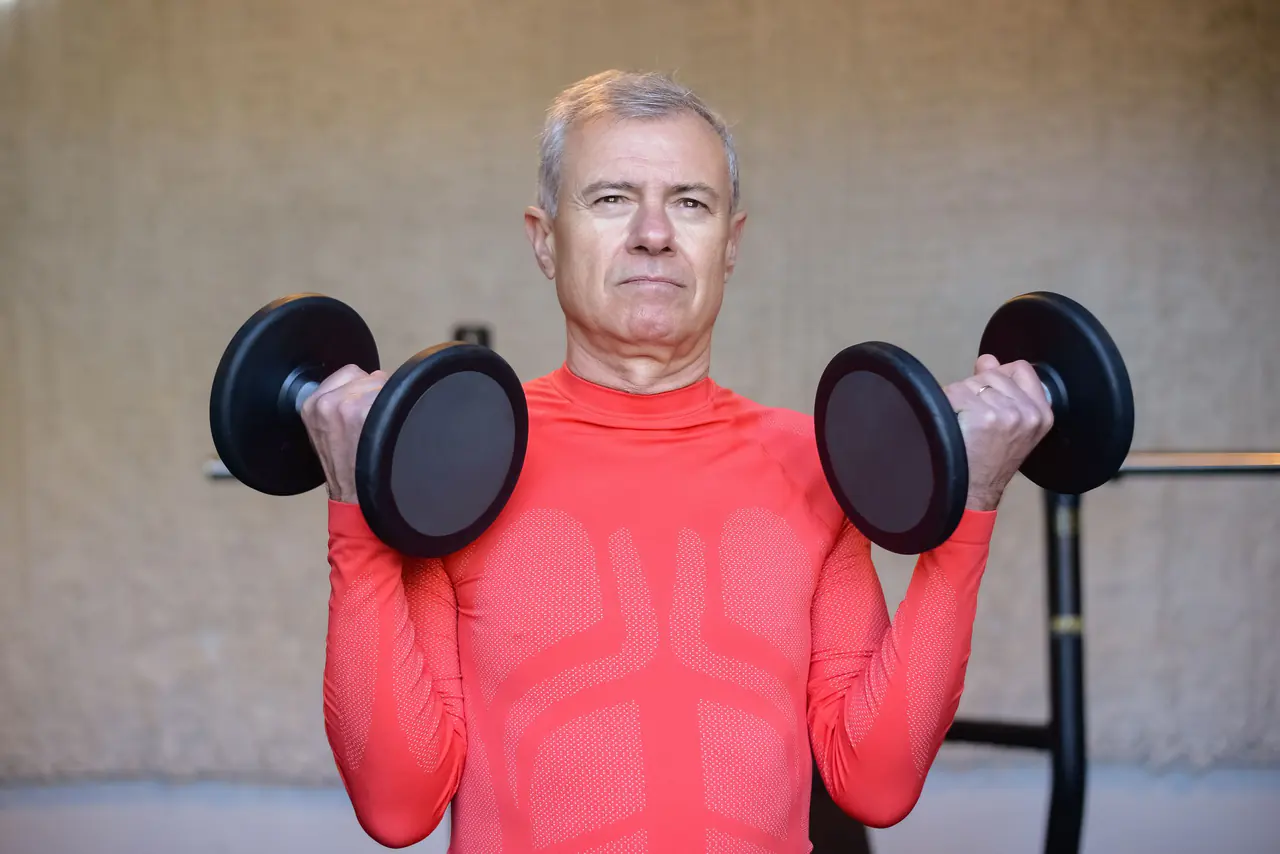
I’m not saying it’s ever too late. It isn’t. We’ve got members in their seventies training at the studio who are stronger now than they were a decade ago. The body responds to strength training at any age. But the earlier you start, the bigger the buffer you build, and the more you’ve got in the bank when life throws an injury, an illness or a stint in hospital your way.
Because that’s often when muscle loss really bites. A couple of weeks laid up in bed and older people can lose a surprising amount of strength. If you went in with plenty in the tank, you come out the other side in much better shape.
Making the deposits
So what does paying into your muscle super actually look like? It’s simpler than you might think.
Australia’s Physical Activity Guidelines recommend muscle-strengthening activities on at least two days a week, on top of your general movement. Two sessions. That’s the deposit.
Those sessions need to challenge you. Walking is brilliant, and I’ll always encourage it, but it won’t build much muscle on its own. Your muscles need a reason to adapt, which means lifting something that feels genuinely hard by the last few reps. Squats, deadlifts, presses, rows, carries. Big movements that use a lot of muscle at once. (I break those down in The Only Four Moves You Need.)
And the load needs to creep up over time. If you’ve been using the same pair of 4 kg dumbbells for two years, your body has adapted and stopped changing. Progress comes from asking a little more of yourself every few weeks.
Food matters as well. Your muscles need protein to repair and grow, and many of us, especially as we age, don’t eat as much as we’d benefit from. Spreading a decent serve of protein across your meals goes a long way. (More on that in How Much Protein Do You Actually Need?.)
Start where you are
If you’ve never lifted a weight in your life, that’s completely fine. You don’t need to walk into a gym and throw a barbell over your head on day one. You start with the basics, learn to move well, and build from there.
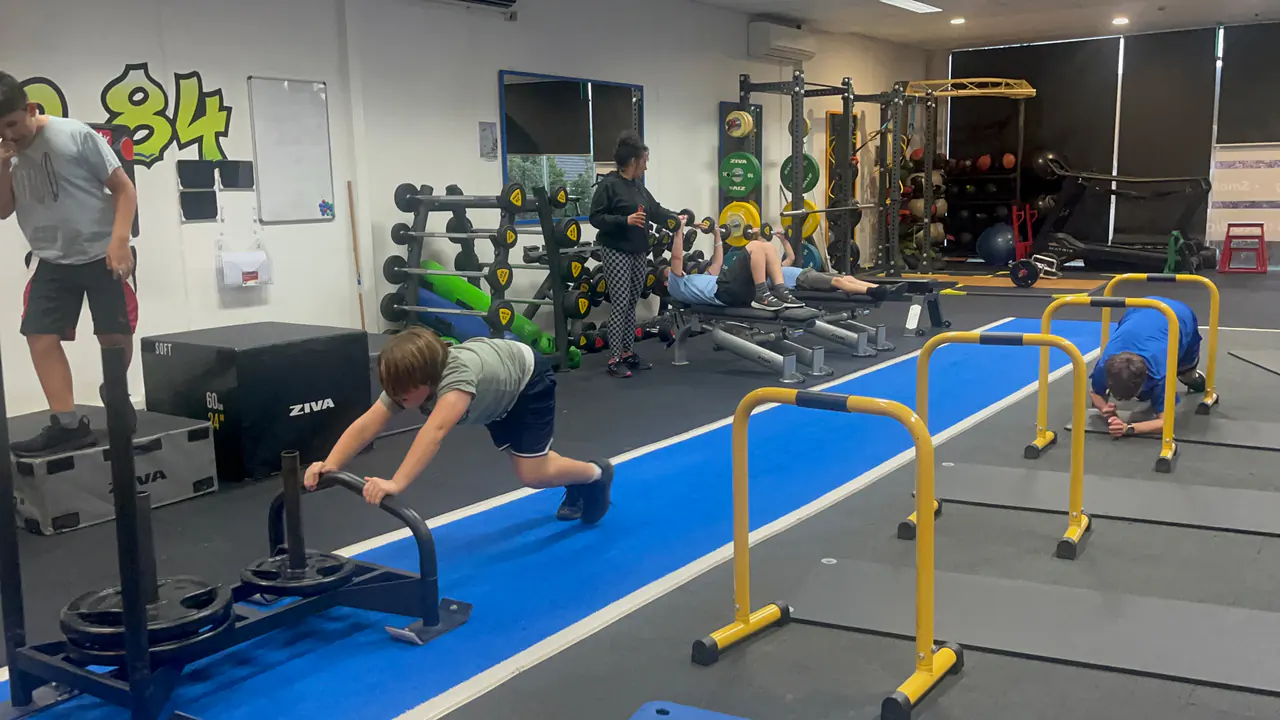
That’s exactly why every new member at Studio 84 starts with a movement screening during their free trial. We want to see how you move, what your body’s been through, and where you’re starting from, so your program fits you and not the other way around. If you’ve got a medical condition or haven’t exercised in a long time, it’s worth having a chat with your GP before you get started too.
The best time to start building your muscle retirement plan was ten years ago. The second best time is this week. Every session is a deposit, and unlike the share market, this one pays off reliably.
Future you, the one carrying the grandkids around at 80, will thank you for it.
If you’re worried you’ve left it too late, read You’re Never Too Old to Lift.