




Walk down any supermarket aisle at the moment and you’ll see the word protein plastered on everything. Protein bars, protein chips, protein pancakes, protein water. I even saw a protein cereal the other week that had less protein in it than two eggs.
So it’s no surprise the question I get asked more than any other on the gym floor is: how much protein do I actually need? Let’s clear it up.
Why protein matters
Protein is the building material for muscle, but it does a lot more than help you look good in a singlet. It’s part of your immune system, your hormones, your skin and your hair. When you train, you create tiny bits of damage in your muscles, and protein is what your body uses to repair them and come back a little stronger.
It also keeps you full. Of all the things you eat, protein is the one that tends to fill you up the most for the fewest kilojoules. That’s why my clients who get their protein right usually find the rest of their eating gets easier. Fewer cravings, less picking, and no 3pm raid on the office biscuit tin.
And as we get older, it matters even more. We naturally start losing muscle from around middle age, and protein, alongside strength training, is one of the best tools we’ve got to hang on to it.
The numbers
Here in Australia, the recommended dietary intake for adults is roughly 0.75 grams of protein per kilo of body weight for women and 0.84 grams for men, and it goes up a bit again once you’re over 70. Keep in mind that number is the amount that stops most people from falling short. It isn’t the amount that’s ideal if you’re training hard and trying to change your body.
For people who are training regularly, most of the research and most sports dietitians land somewhere around 1.2 to 1.6 grams per kilo per day. If you’re lifting seriously, or you’re trying to lose fat without losing muscle, going towards the top of that range, and up to around 2 grams per kilo, is reasonable.
Let’s make that real. Say you weigh 70 kilos and you train three or four times a week. At 1.2 to 1.6 grams per kilo, you’re looking at roughly 85 to 110 grams of protein a day.
The recommended intake stops you falling short. It isn’t what’s ideal when you’re training hard and trying to change your body.
That sounds like a lot until you see how it adds up. As a rough guide:
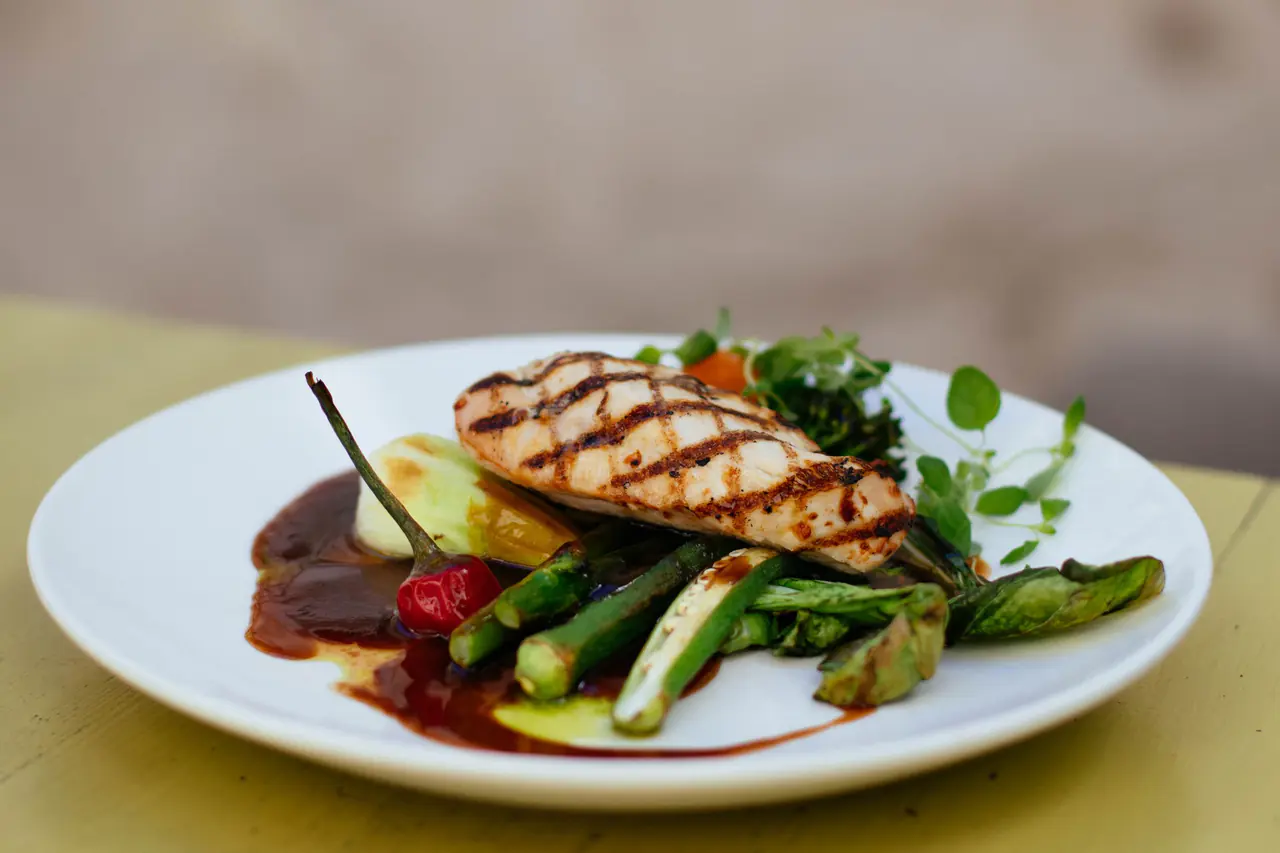
- A palm-sized piece of chicken, beef or fish (about 100 grams cooked) has somewhere around 25–30 grams.
- Two eggs give you about 12 grams.
- A small tub of Greek yoghurt is around 15 grams.
- A tin of tuna is around 20 grams.
- A cup of cooked lentils or chickpeas is somewhere around 12–18 grams.
Most people I screen in their free trial are getting plenty at dinner and almost nothing at breakfast. Toast and coffee in the morning, a sandwich at lunch, then a big steak at night. The total might even look okay on paper, but it’s all bunched up at the end of the day.
Spread it out
Your body can only use so much protein for muscle repair in one sitting. That doesn’t mean the rest is wasted, but you get more bang for your buck by spreading it across the day.
A good target for most people is somewhere around 20 to 40 grams per meal, across three or four meals. That might look like:
- Breakfast: eggs on toast, or Greek yoghurt with oats and berries.
- Lunch: a wrap or salad with a proper serve of chicken, tuna or tofu, not just a few shavings of ham.
- Snack: a tub of yoghurt, a glass of milk, or a shake if it’s convenient.
- Dinner: your usual, with a palm or two of meat, fish or legumes.
That’s it. No weighing scales, no app, no maths at the dinner table. If every meal is built around a decent serve of protein, you’ll land in the right range most days without even thinking about it.
Do you need a shake?
Short answer: no. Protein powder isn’t magic. It’s just food in a convenient form. If you can get there with real food, great. If you’re rushing out the door after a 6am class, or you’re a vegetarian who struggles to hit your numbers, a shake is a perfectly good tool. I break down the real-food options in Protein Without the Powder.
What about having too much? For healthy people, eating at the higher end of those ranges is generally considered safe. If you have kidney disease or another medical condition, have a chat with your GP or a dietitian before you change things up.
The other trap is the “protein” snack food. A lot of protein bars are basically chocolate bars with a gym membership. Read the label. If it’s got more sugar than protein, it’s a treat, not a health food, and that’s fine, just call it what it is.
Where to start
Don’t overhaul everything at once. Pick one meal, usually breakfast, and add a proper serve of protein to it this week. Next week, fix lunch. That’s how habits stick.
If you want help working out what that looks like for your body and your goals, it’s exactly the kind of thing we go through with you in our 6-Week Challenge, alongside the training.
Get the protein right and everything else gets easier: better recovery, fewer cravings and more muscle to show for all that hard work.
Next up, the nutrient most of us forget about: Fibre, the Forgotten Nutrient.