





So the weekend is coming up, which means some high-carb food and a bit of alcohol are on the horizon. You like to think you’ll behave yourself, but let’s face it: if someone is drinking wine in front of you, or there’s a warm, salty bowl of fries on the table, it’s going to be bloody hard to resist.
Funny how we do so well with our meal plans during the week, and then the moment we hit the weekend, out of work and out of our routines, we go ahead and stuff it all up.
The 80/20 rule
This isn’t the worst thing in the world. In fact, I encourage it. It’s the 80/20 rule: 80% of the time you eat clean, and the other 20% you can eat a bit of crap. You can’t expect to be nutrition’s golden child all the time.
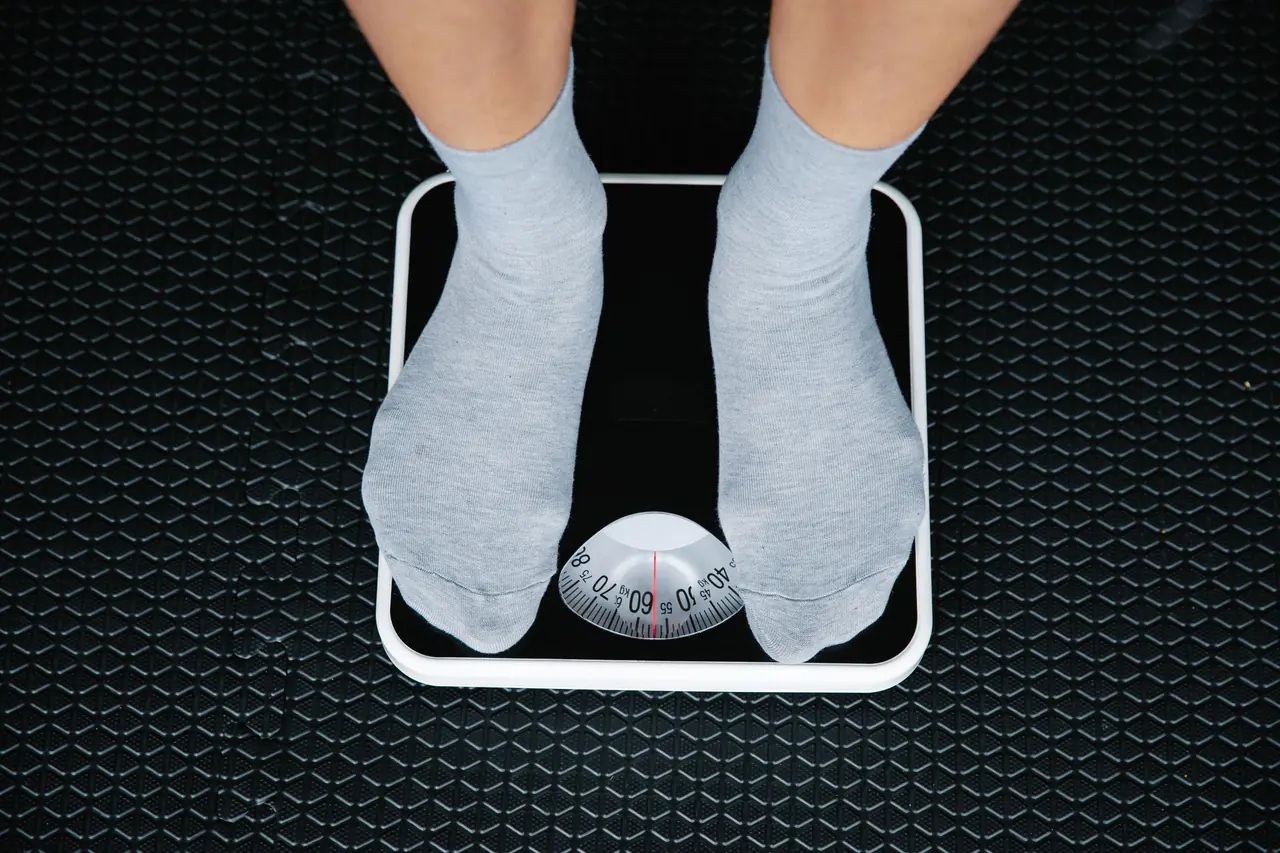
But how much damage does that 20% actually do? Are we reversing all the hard work of the week on our weekends? That depends on how much you splurge and for how long. If you check out of your diet on Friday afternoon and don’t check back in until Monday morning (just like work, huh?), you’re most likely going to undo all that hard work.
The first step is to reel it back a bit, to a single day, or even better, a single meal. In my experience, clients who splurge on just one meal a week don’t see it affect their weight loss. That’s because I get them to go into damage control.
What damage control looks like
Damage control is a method I use to reduce the damage from a high-calorie meal. Essentially, it means going lighter on calories before and after the big feast.
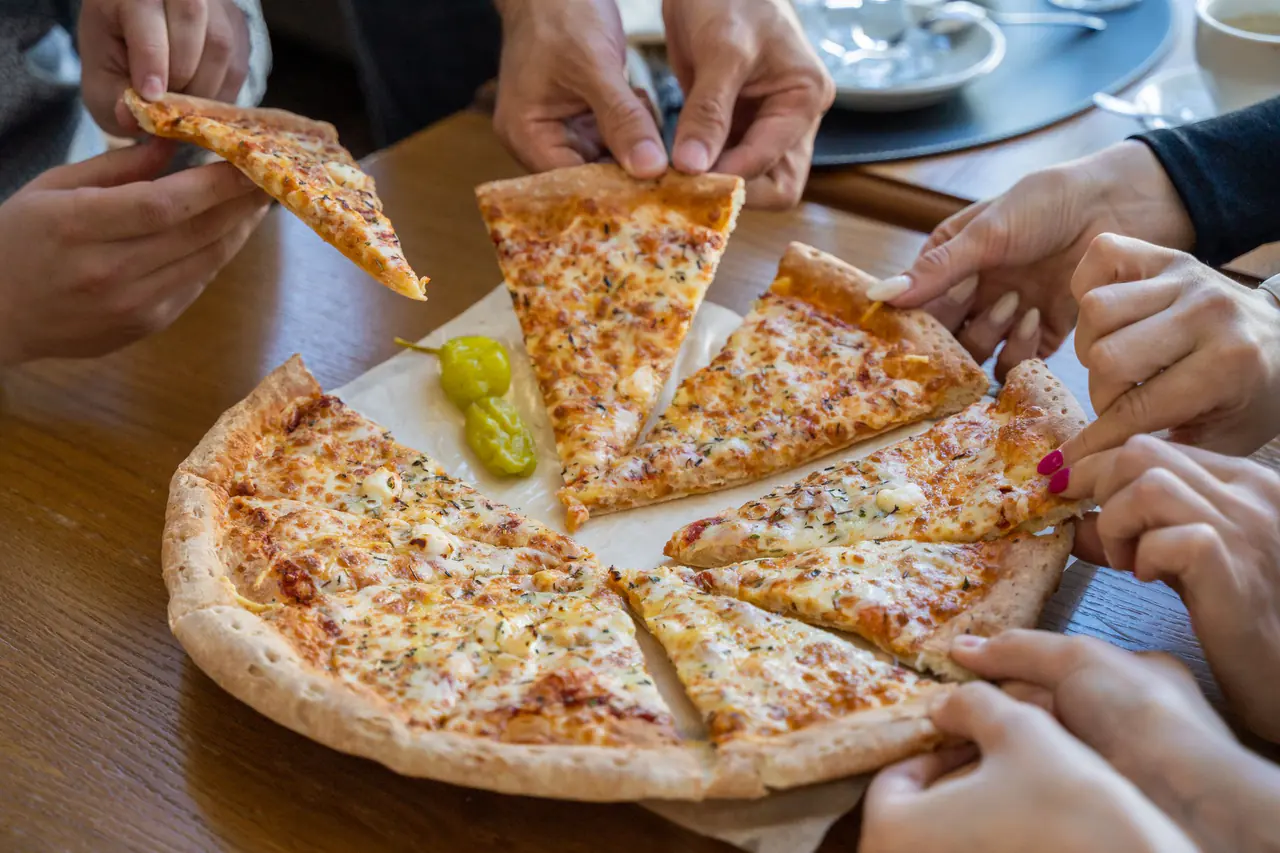
Let’s take a Saturday night as an example. It’s your friend’s birthday and you’re going out for pizza and drinks, possibly with a nice dessert afterwards.
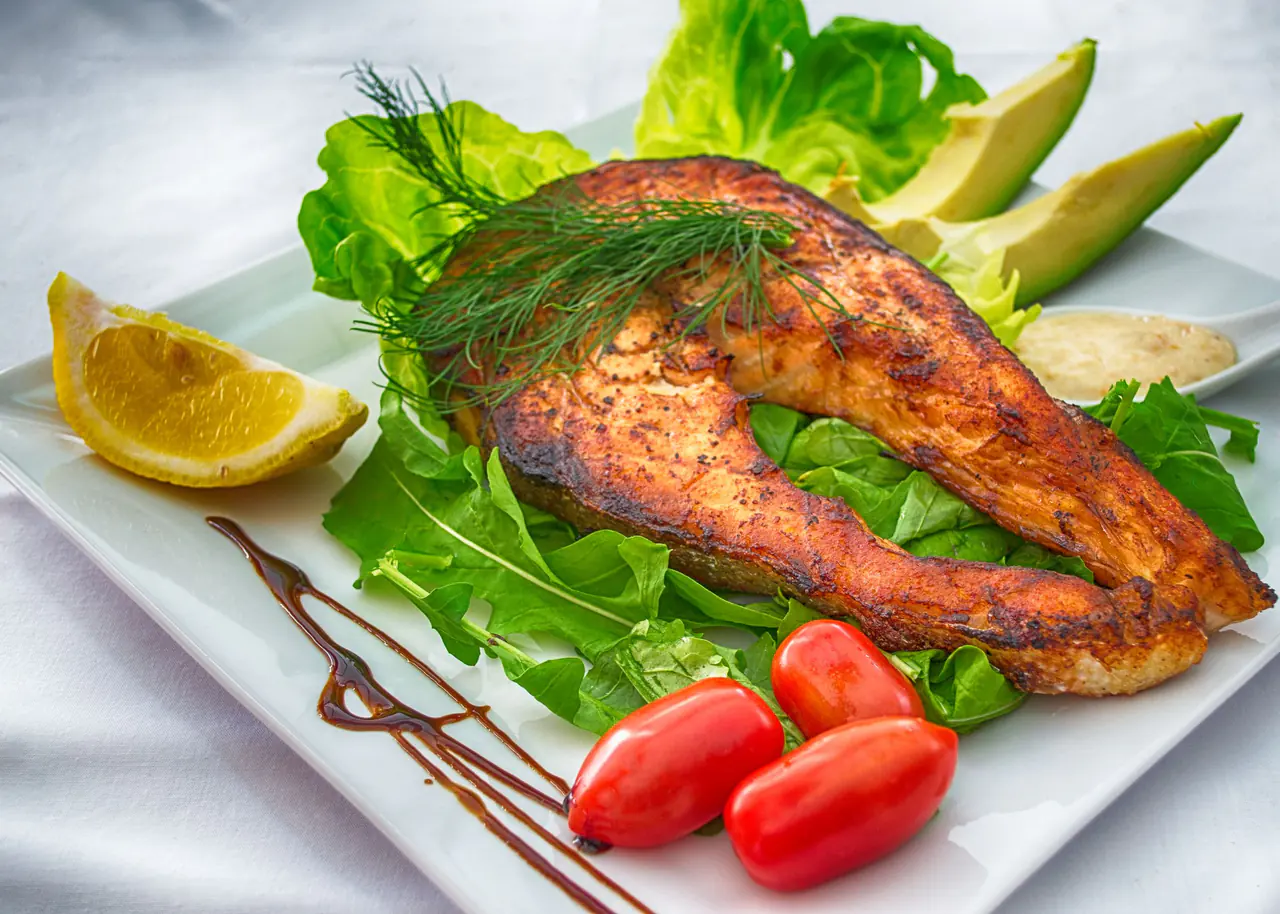
Before: The best way to attack this is to go really light at lunch on Saturday. I wouldn’t say skip it, but have a small, carb-free lunch. A salad with some protein would do, or a lean meat with vegetables. Or try a soup loaded with vegetables, with some protein added.
You might be a little hungry by dinner, but that’s a good thing – you’ll really enjoy your meal. And because your body is a bit depleted, a good share of those calories, especially the carbs, will go towards topping up the glycogen stores you’ve used, leaving less to be stored as fat.
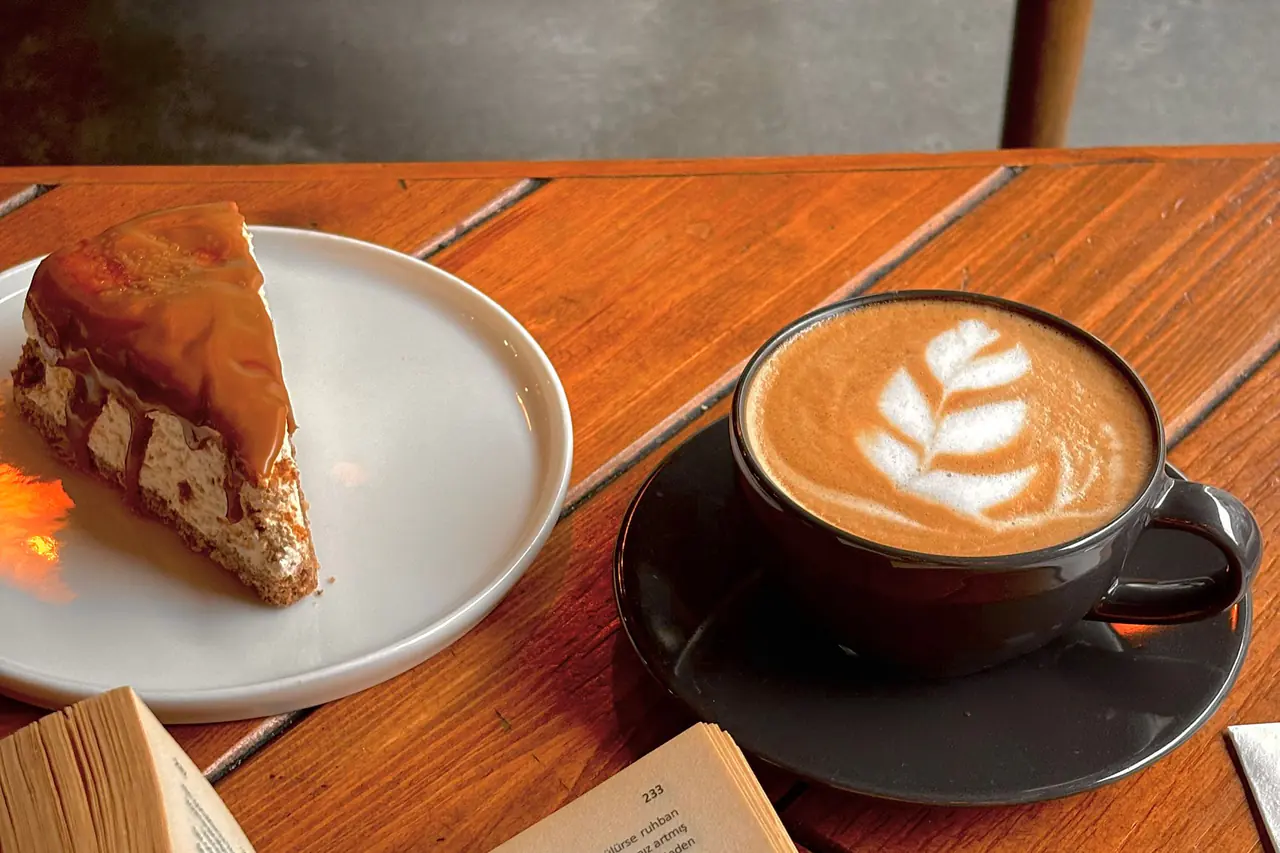
The feast: Eat your pizza, have your drinks and have dessert if you must. Really enjoy it, because tomorrow you’re going clean again.
After: The next morning you sacrifice the first two meals. Breakfast and lunch should be low-carb and a bit smaller.
- Eggs in the morning are great. They’ll satisfy you and they’re carb-free.
- Go light at lunch too and watch the carbs. I normally like a vegetable juice or protein smoothie the day after. You can add one piece of fruit if you like.
- For dinner, eat as you normally would on a typical weeknight, but be careful not to overeat, as you may be a bit hungry.
When I do this, I find I get a little hungry the following day, but it’s manageable because my body is still running off that high-carb meal from the night before. The low-calorie Sunday gives your body time to process all that food and get back on track.
Can you actually lose weight this way?
Strangely enough, I’ve seen people lose weight with this method. It seems to work a bit like a feast-and-fast approach: the big meal can give your metabolism a little boost, and the low-calorie meals that follow can encourage your body to dip into its fat stores. The results are sporadic and it won’t work the same for everyone, but it beats undoing your whole week.
Plan your attack
So the weekend is upon us, and I’m guessing you’ve already started loosening your belt buckle to make way for that calorie-dense lunch with your friends. Before you dive in, plan your attack.
Think about the meal before: your breakfast. Can you keep it small, or remove the carbs? Then think about dinner. Can you do the same, along with breakfast the following day?
If you can master the skill of damage control, your days of feeling guilty while enjoying a good meal or a glass of wine will be a thing of the past.
Drinking is its own beast, though. I explain why in Burgers or Beers.