




Habits are what drive poor eating. They’re a set of systems in our minds that control how we eat. Most of the time we’re completely unaware we’re governed by these rules. They’re so concrete in our minds that we act on them automatically, without even realising.
Part of my job in helping someone get their eating back on track is to identify the habits they’re held prisoner to, and try to set them free. Here are a few of the dangerous ones I see.
Overeating
As children, we were taught to always finish everything on our plates. Maybe we grew up in a household where money was tight, and our parents didn’t want us wasting food, so we were trained to eat everything in front of us.
Over time, our bodies lost the ability to judge whether we were full or not. Now, as adults, we eat large portions and find it increasingly difficult to stop, purely because that sensation of feeling full has been numbed over the years. (More on that in The Edge of Hungry.)
Rewards
Parents rewarding us with food might look like eating all our vegetables before we’re allowed chocolate, or getting McDonald’s after a good soccer game. This conditions us to see sugary or fattening foods as a reward. Our brain now registers food as something we get when we’ve worked hard or achieved something.
Triggers
There are a tonne of triggers that can set off the temptation to eat something we shouldn’t. It might be having something sweet after dinner, or a big box of popcorn every time you go to the movies.
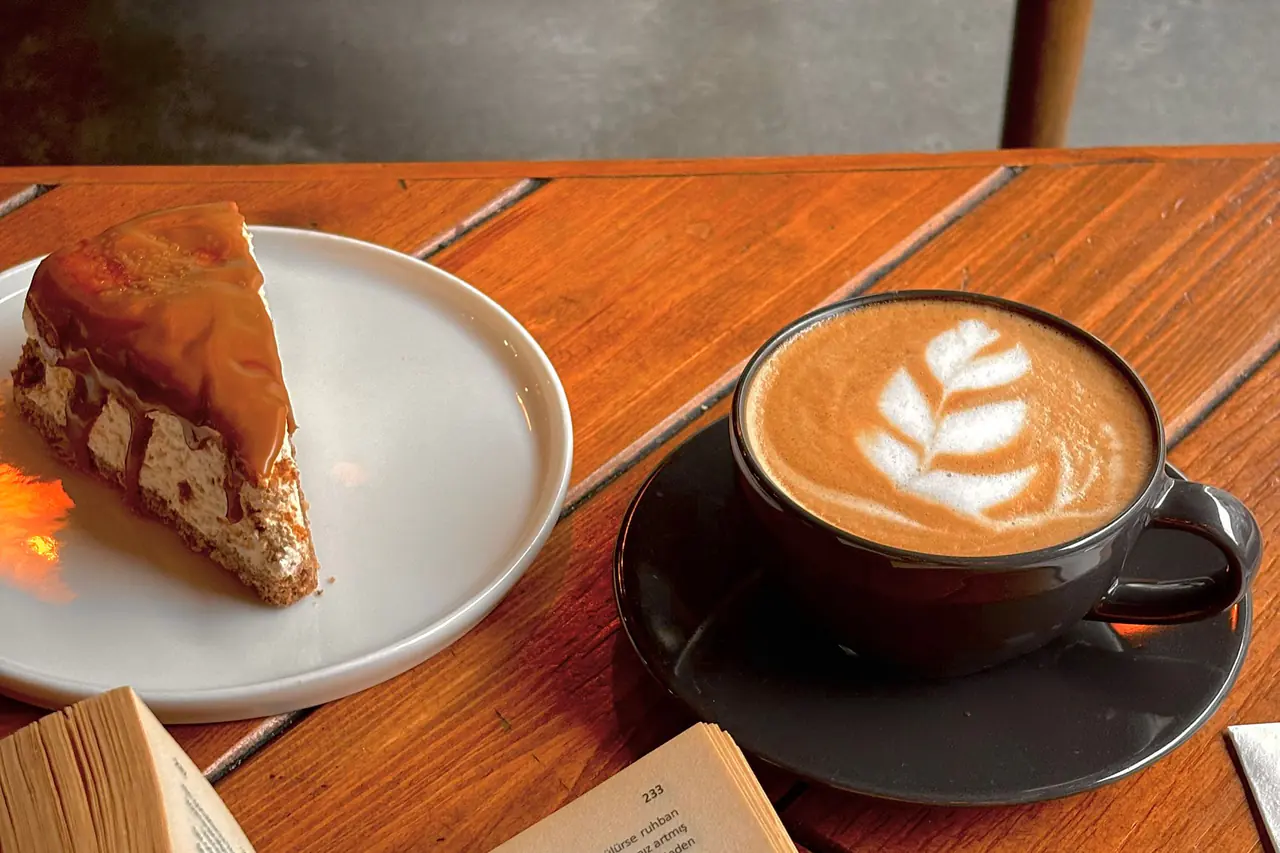
One of my deadly triggers is having a cookie or cake every time I drink coffee. There’s something about that bitter coffee with a sweet dessert that just goes so well together.
These triggers are so ingrained in our psyche that resisting can feel overwhelming when the trigger is there, prodding us to do it.
If you think this is all bull, try ordering yourself a burger and not having any fries on the side.
Stress relief
Did you know that sweet or high-calorie food can give your brain a hit of dopamine? That obviously makes you feel good, so you want more of it. It can also lift serotonin, which relaxes you.
Our animal brains haven’t evolved enough to override the system that tells us to eat more. When we’re stressed, our bodies go into overdrive as if we’re in danger, and the brain will do whatever it can to get us to eat.
At a young age we might have realised that eating something high in calories made us feel better for a moment, so food became linked with happiness. That association carries on into adult life, and we fall into the trap of binge eating bad food when we’re stressed.
Stress also wears us down and depletes our willpower. If we have no willpower left by the end of the day, we’re far less likely to resist temptation. Food has now become a source of comfort in our lives.
I dig into that relationship between food and comfort in Let’s Talk About Relationships.