
If you’re a woman somewhere between your late thirties and your fifties, there’s a good chance your body has started doing things you didn’t sign up for. Sleep that’s all over the place. Hot flushes at the worst possible moment. Weight that seems to settle around your middle no matter what you do. Joints that ache in ways they never used to.
Welcome to perimenopause and menopause. It’s something roughly half the population goes through. For a long time, it was barely talked about.
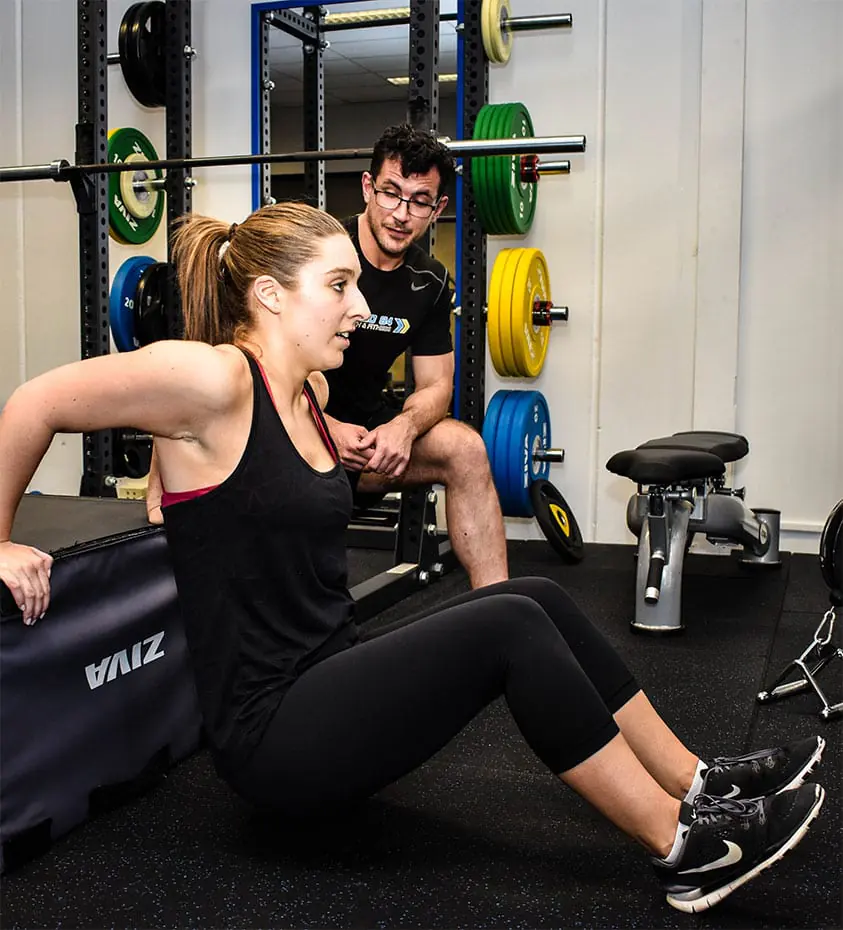
I’m not going to pretend I know what it feels like. But I’ve coached a lot of women through this stage of life, and I’ve seen what helps. Near the top of that list, every time, is lifting weights.
What’s actually going on
Menopause is officially the point when you’ve gone twelve months without a period. In Australia, most women reach it somewhere around their early fifties. Perimenopause is the lead-up to it, and it can start years earlier, sometimes in your forties or even late thirties.
During this time, levels of oestrogen go up and down and then fall. Oestrogen does a lot more than run your reproductive system. It helps protect your bones, plays a role in maintaining muscle, and affects how your body stores fat, how well you sleep and even your mood.
When it drops, a few things tend to happen:
- Bone density falls faster. Women lose bone more quickly in the years around menopause, which raises the risk of osteoporosis and fractures later on.
- Muscle gets harder to keep. We all lose muscle as we age, but the hormonal shift can speed it up.
- Body fat shifts. Many women notice more fat around the tummy, even if the scale doesn’t change much.
- Sleep and energy take a hit. Night sweats and broken sleep make everything, including training, feel harder.
This is where strength training comes in.
Why lifting is your best friend
Your muscles and bones respond to load. When you challenge them, they adapt by getting stronger. That’s true at 25, and it’s still true at 55.
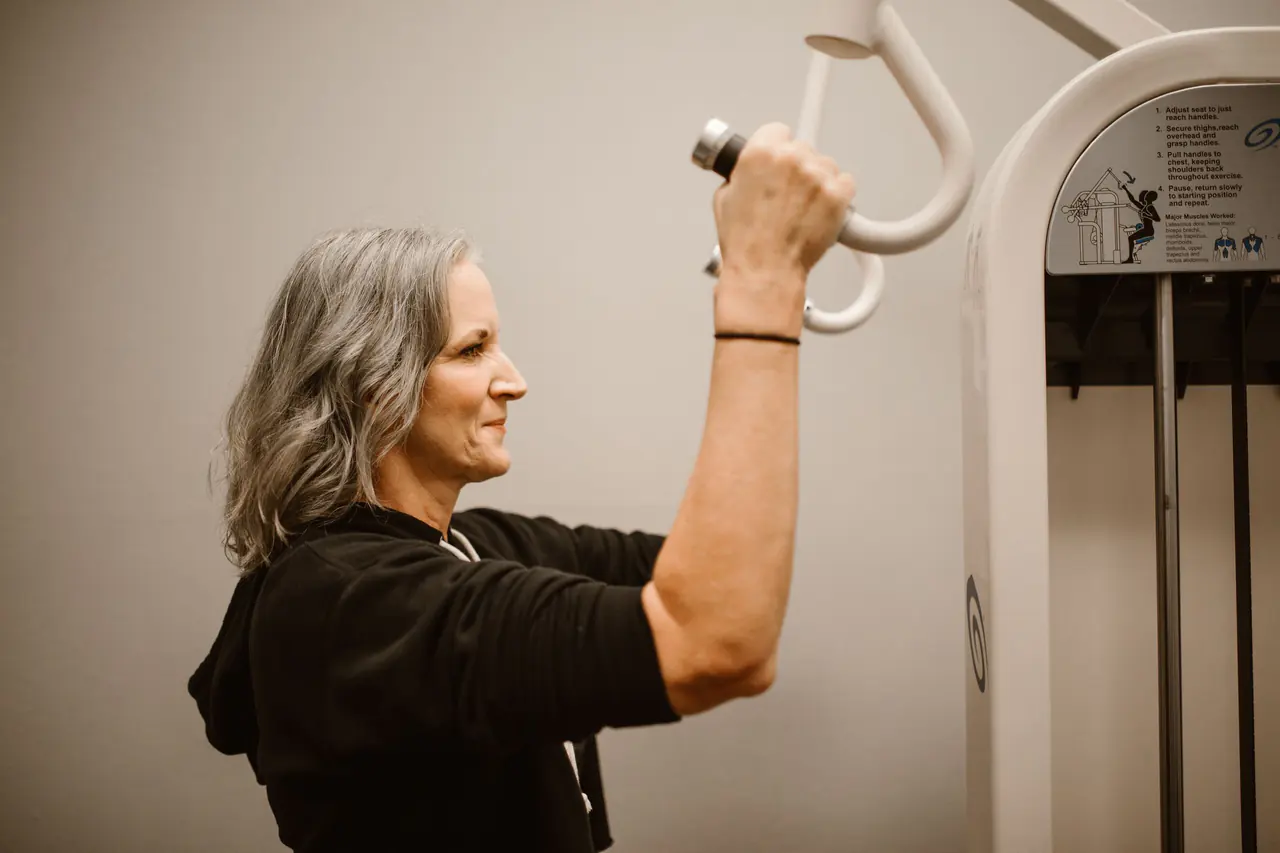
Resistance training helps you hold on to muscle and build more. It puts healthy stress on your bones, which is one of the best signals you can give them to stay strong. It improves balance and coordination, which matters a lot for preventing falls down the track. It helps with blood sugar control and body composition. And plenty of women tell me it makes them feel more like themselves again: stronger, more capable, more in control.
Menopause isn’t the time to start taking it easy. It’s the time to start lifting with purpose.
Heavy enough to count
Here’s where I see a lot of women sell themselves short. They’ve been told for years to use the little pink dumbbells and do lots of reps. That kind of training has its place, but if you want to protect muscle and bone, you need to give your body a real challenge.
That means:
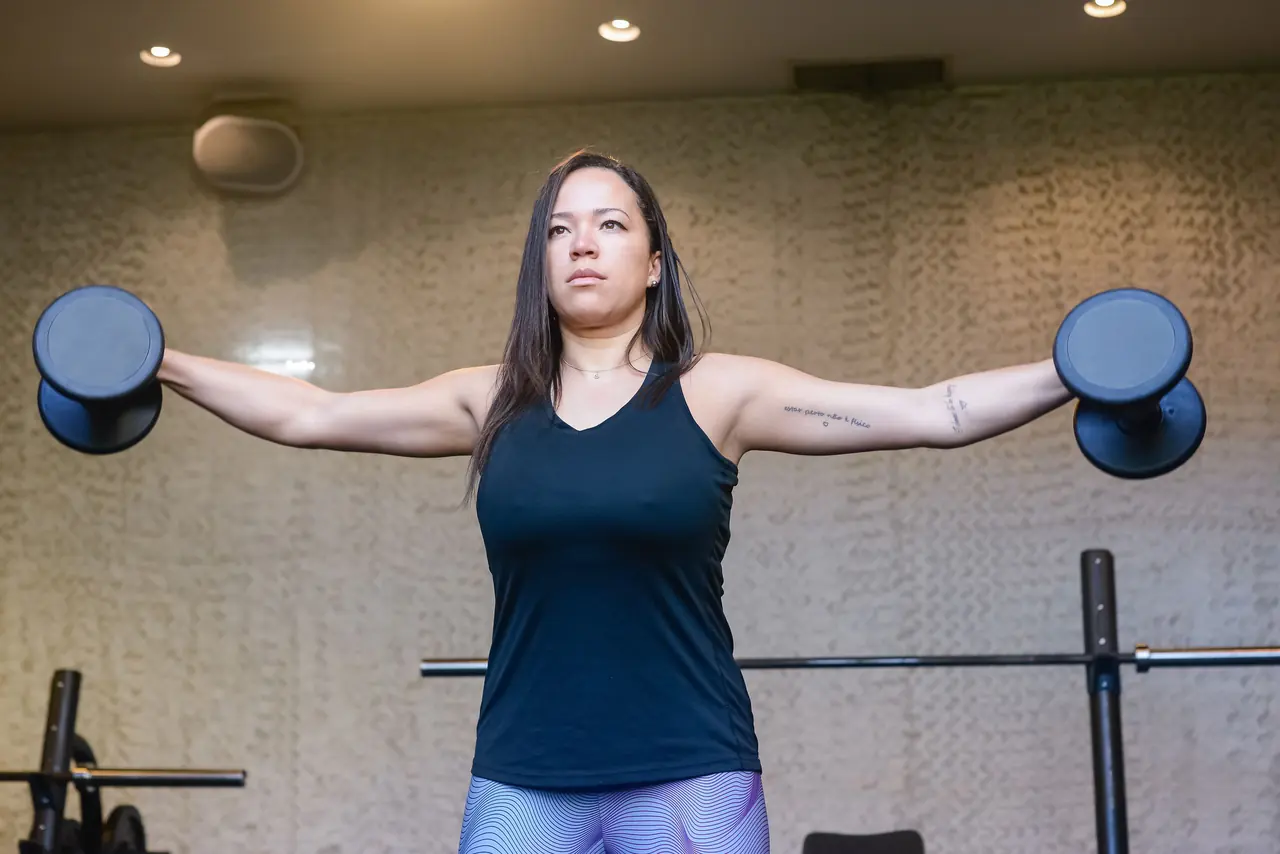
- Lifting heavy enough that the last two or three reps of each set are hard. Not painful. Hard. If you could keep going all day, the weight is too light.
- Focusing on big compound movements. Squats, deadlifts, lunges, rows, presses and carries work lots of muscle and load your bones in useful ways.
- Training at least twice a week. That’s in line with Australia’s physical activity guidelines, and it’s enough to make a real difference.
- Progressing over time. Gradually add weight, reps or sets as you get stronger.
- Adding some impact if your body allows it. Things like skipping, step-ups or small jumps can be good for bone, but build into them carefully.
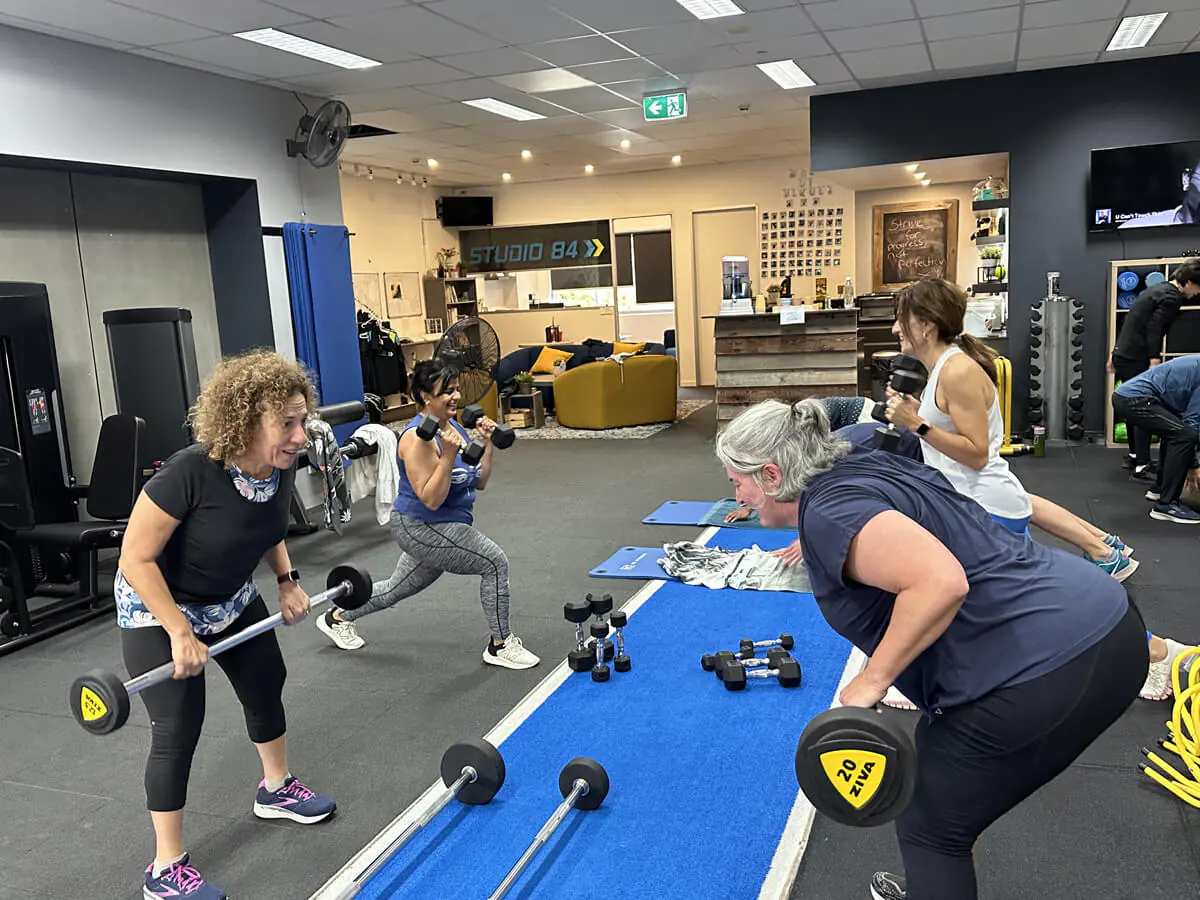
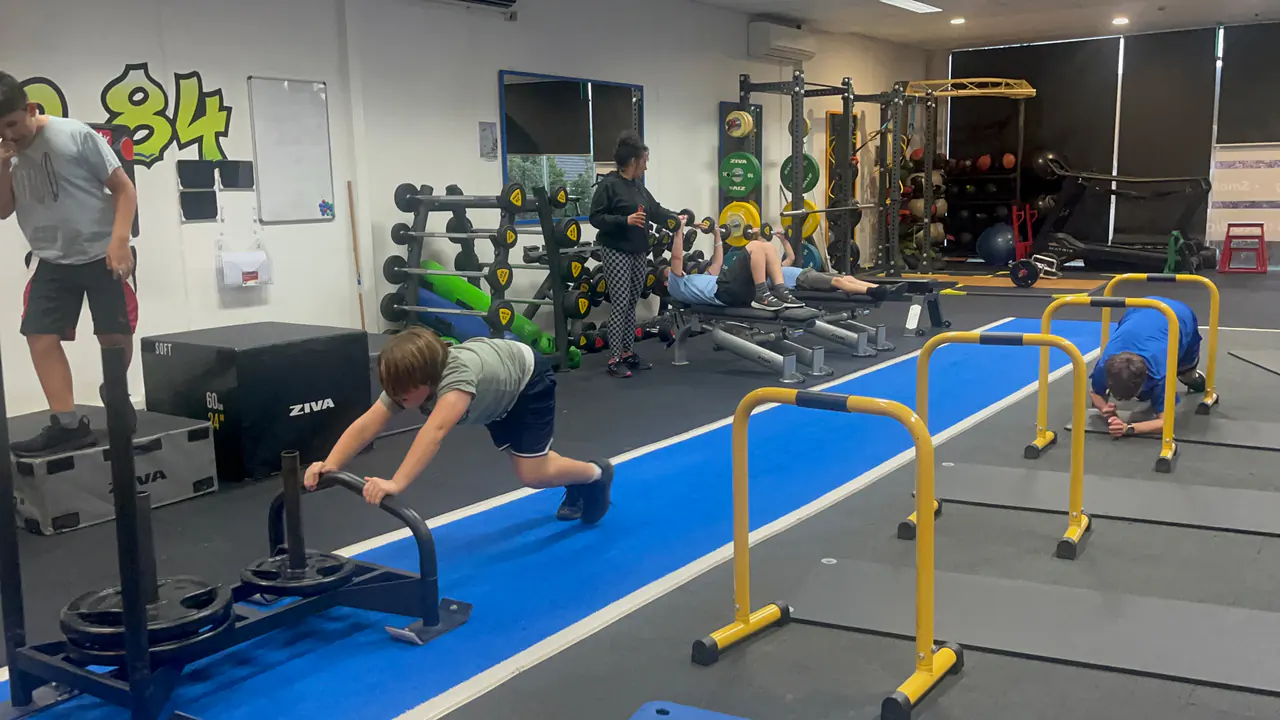
If you’re new to lifting, or you already have low bone density, joint problems or pelvic floor concerns, get proper guidance before going heavy. Good technique and smart progression make heavier lifting safe and effective. That’s exactly what our semi-private sessions are built for: no more than four people, so your coach can watch every rep. If heavy weights still make you nervous, read Lifting Won’t Make You Bulky.
Train around how you feel
Some weeks during perimenopause you’ll feel unstoppable. Other weeks you’ll have barely slept, and the thought of a hard session will make you want to cry. Both are normal.
A few tips for the tough days:
- Swap a high-intensity class for strength work, a walk or a mobility session.
- Keep the weights, but drop a set or two.
- If hot flushes are a problem, train earlier in the day, keep water handy and wear layers you can peel off.
- Prioritise sleep where you can. It affects your recovery, your appetite and your mood. I wrote more about this in Sleep Is the Best Supplement You’re Not Taking.
- Don’t forget protein. It helps your muscles recover and rebuild, and many women don’t eat enough of it.
Showing up and doing something, even on a rough day, keeps the habit alive. And the habit is what gets results.
Strength training is powerful, but it isn’t the whole answer. If your symptoms are affecting your sleep, your work, your relationships or your mental health, please talk to your GP. There are a range of treatment options, including menopausal hormone therapy, and your doctor can help you work out what’s right for you. It’s also worth asking whether a bone density scan makes sense for you.
You don’t have to just put up with it.
You’re not finished, you’re just getting started
Some of the strongest people in our studio are women in their fifties, sixties and seventies. Not just physically strong, but confident, energetic and fiercely independent. Many of them only started lifting in midlife.
Menopause is a big change. But it can also be a turning point: the moment you decide to look after your body for the next forty years, not just the next four weeks.
Pick up the weights. Your future self will thank you.
For the bigger picture on muscle and ageing, read Muscle Is Your Retirement Plan.