




Ask most people why they joined a gym and you’ll hear the same few answers. Lose a few kilos. Fit into the jeans. Get strong. Look good at the wedding.
Ask them a year later why they’re still coming, and the answer changes. “It keeps me sane.” “I’m a nicer person when I train.” “It’s the only hour of the day that’s just mine.”
That shift happens so often I’ve stopped being surprised by it. People start training for their body and stay for their head. So today I want to talk about the part of fitness that never shows up in a progress photo: what it does for your mood.
The hour that changes the day
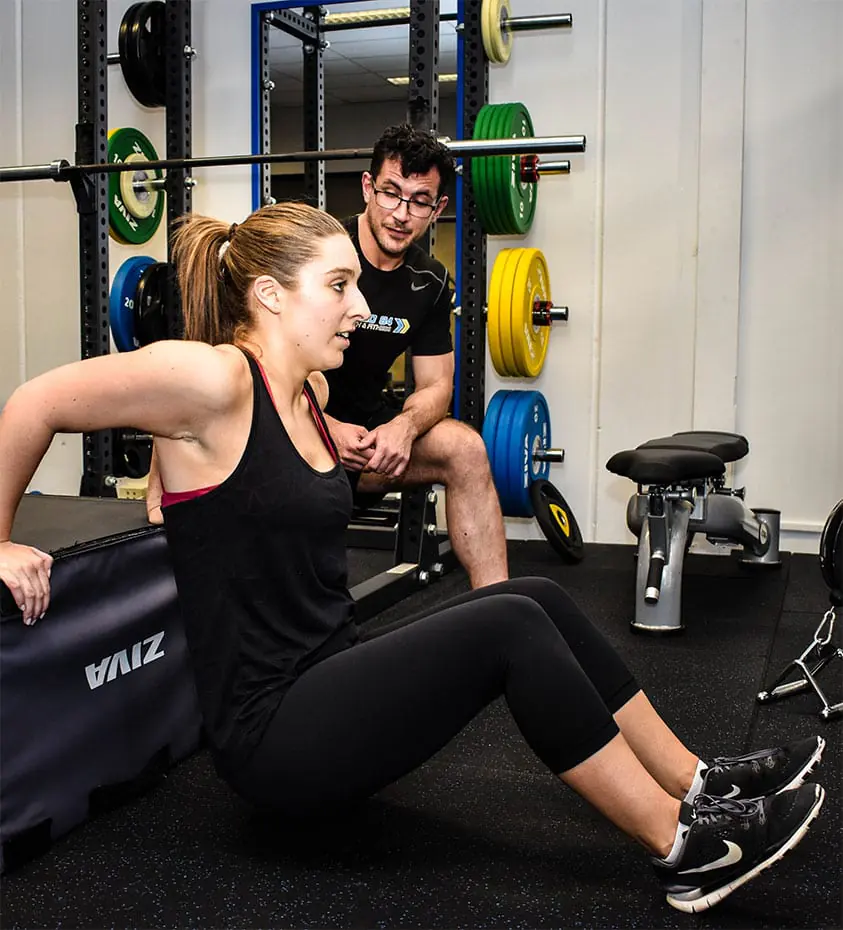
I can’t count the number of times someone has walked through our doors looking like the world is sitting on their shoulders. Bad day at work, kids up all night, a fight with their partner, whatever it is. They drag themselves up the stairs, half thinking about turning around.
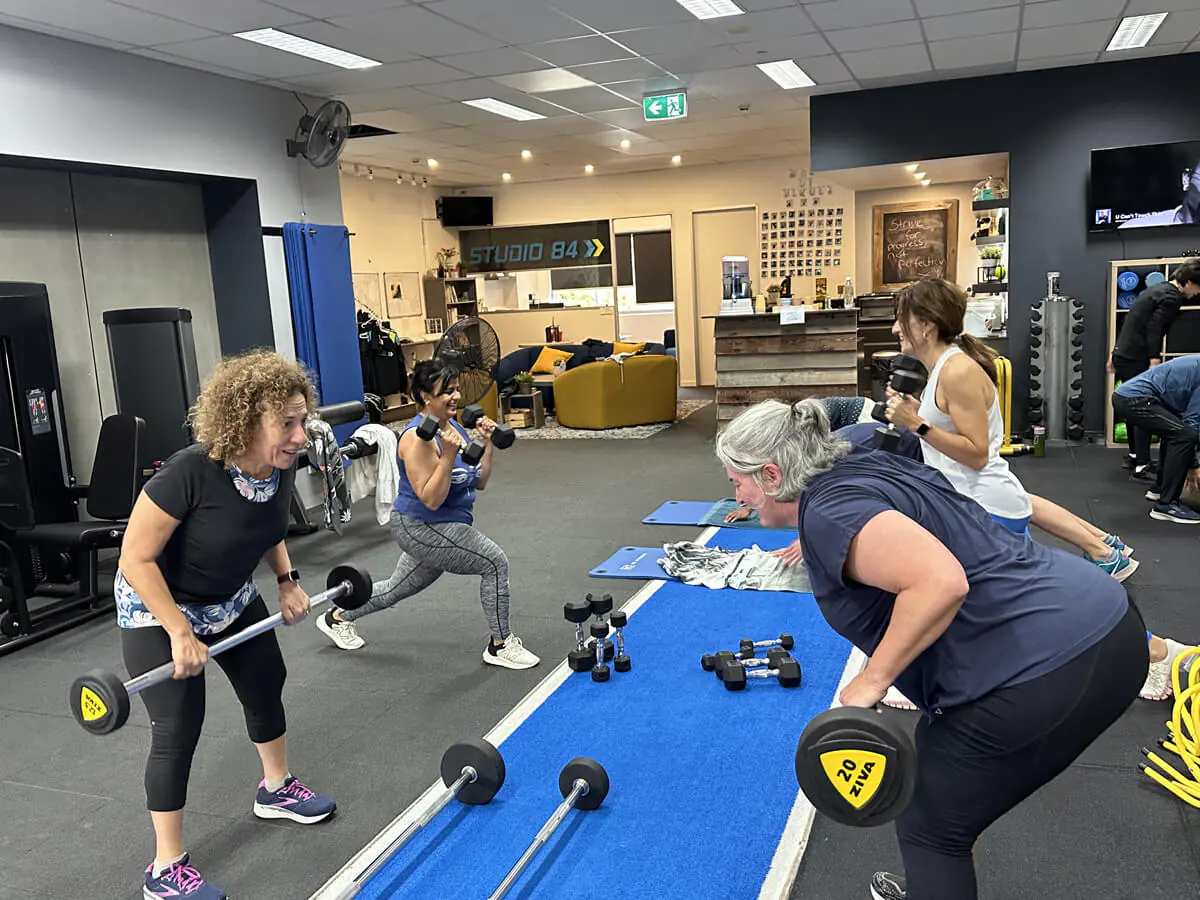
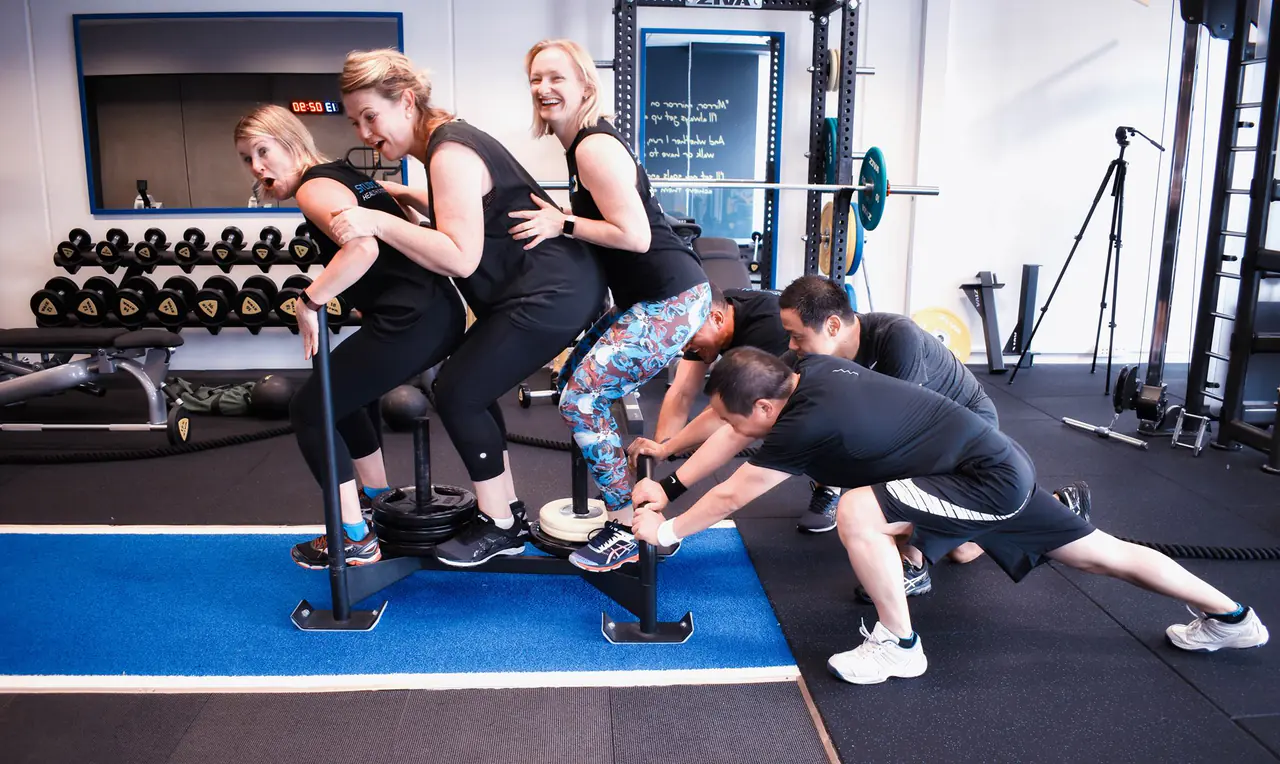
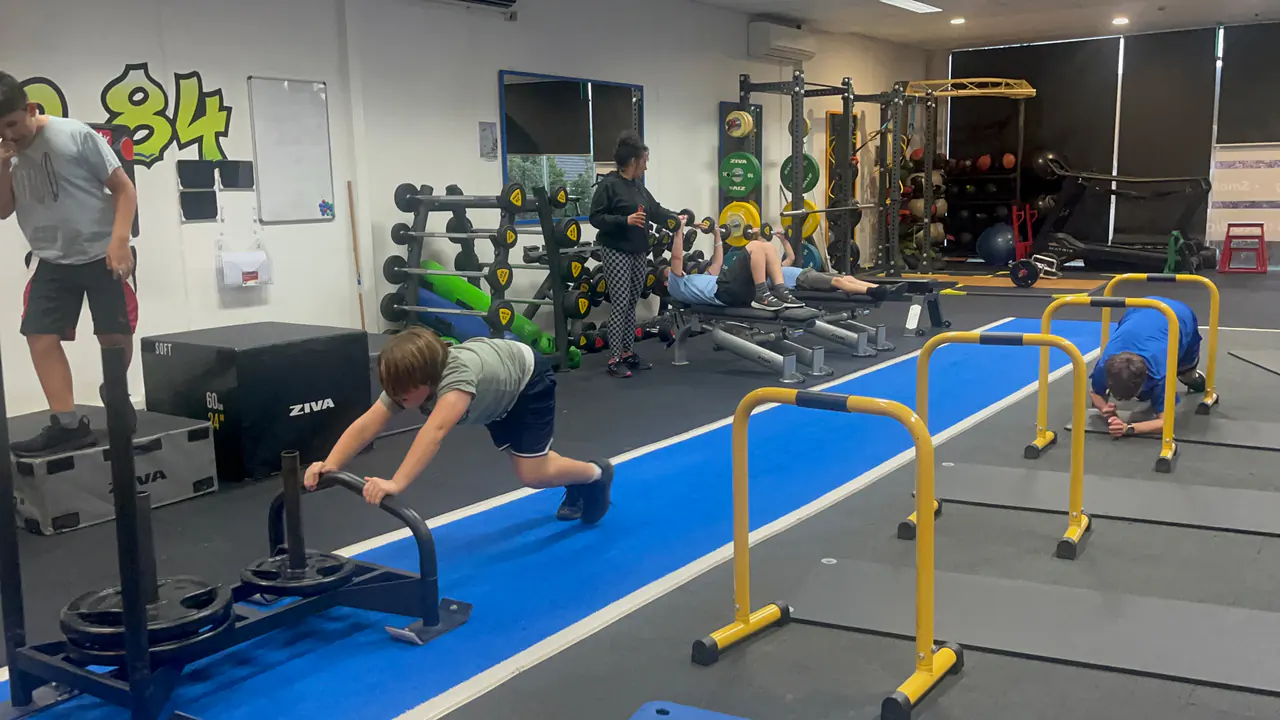
Then the warm-up starts. They get moving, the music’s going, someone cracks a joke, and somewhere around the second round of the workout their face changes. By the cool-down they’re laughing. They walk out a completely different person to the one who walked in.
That’s not magic, and it’s not just me being a good coach (although I’d like to think that helps). When you exercise, your body releases a cocktail of feel-good chemicals. Endorphins get all the credit, but there’s a lot more going on: your brain chemistry shifts, your stress system gets a chance to fire and then switch off, and your body gets a break from sitting still and stewing.
Almost nobody finishes a session wishing they hadn’t come.
There’s solid research behind this, too. Regular exercise is consistently linked with better mood, lower stress and fewer symptoms of anxiety and depression. You don’t need to be an athlete to get it either. Even moderate movement, done regularly, makes a difference.
Why it works on more than one level
The chemistry is only part of the story. I think there are a few things happening at once.
- You get a win. You set out to do something hard and you did it. That small sense of achievement carries into the rest of your day.
- You get out of your head. It’s pretty hard to ruminate about an email while you’re trying to get through your last set of burpees. For an hour, your brain has something else to focus on.
- You get people. Training with others means conversation, encouragement and a bit of a laugh. For a lot of people that’s the only social contact in their day that isn’t a screen.
- You sleep better. Regular exercise tends to improve sleep, and better sleep does wonders for your mood.
Stack those together, week after week, and you start to notice you handle life a bit better. Things that would have flattened you a year ago don’t knock you around quite as much.
On the days you don’t feel like it
Here’s the catch. The days you most need a session are usually the days you least want one. When you’re flat, tired or anxious, the voice in your head gets very convincing. “You’ll go tomorrow.” “You deserve a night off.” “You’re not up to it today.”
I’ve written before about that voice in Just Another Muscle. The trick on the hard days isn’t to win a massive battle with it. It’s to make the first step so small you can’t really argue with it.
- Don’t commit to a full session. Commit to putting your gear on.
- Don’t commit to a PB. Commit to showing up and doing the warm-up.
- If you still feel rubbish after ten minutes, you’re allowed to go home. (Almost nobody does.)
Lowering the bar is not cheating. A gentle session on a bad day beats a perfect session that never happens. Some of the best workouts I’ve ever seen came from people who nearly didn’t turn up.
It also helps to book in. If you’ve got a spot in the 6am class and you know the coach is expecting you, it’s a lot harder to roll over and hit snooze. Remove the decision, and you remove most of the struggle.
What exercise isn’t
I want to be really clear about something, because it matters. Exercise is a brilliant tool for looking after your mental health, but it isn’t a cure-all, and it isn’t a replacement for proper care.
If you’re struggling with your mood for more than a couple of weeks, if things feel heavy most days, or if you’re having thoughts of harming yourself, please talk to your GP. They can help you put together a plan, which might include a psychologist, medication, or other support. Training can sit alongside that plan and make it work better. It shouldn’t be the whole plan.
And if you’re ever in crisis, Lifeline is there 24/7 on 13 11 14.
There’s no shame in any of this. Some of the strongest people I know, inside and outside the gym, are the ones who put their hand up and asked for help.
Make it part of the routine
The mood boost from a single session is real, but it fades. The bigger benefit comes from doing it regularly, so it becomes part of how you look after yourself, like brushing your teeth.
That’s why I always tell people to pick a routine they actually enjoy. If you love the energy of a HIIT class, do that. If boxing helps you let off steam, hit the pads. If you need something calmer, a Pilates or mobility session can be just as good for your head. The best training for your mood is the training you’ll keep coming back to.
Start with two or three sessions a week. Treat them as appointments with yourself that don’t get cancelled just because you’re feeling a bit off. Over time you’ll notice the pattern: the days you train are the days you feel more like yourself.
Your body will thank you for it. But I reckon your head will thank you first.
If stress is the thing weighing on you, read Stress, Cortisol and the Gym next.