









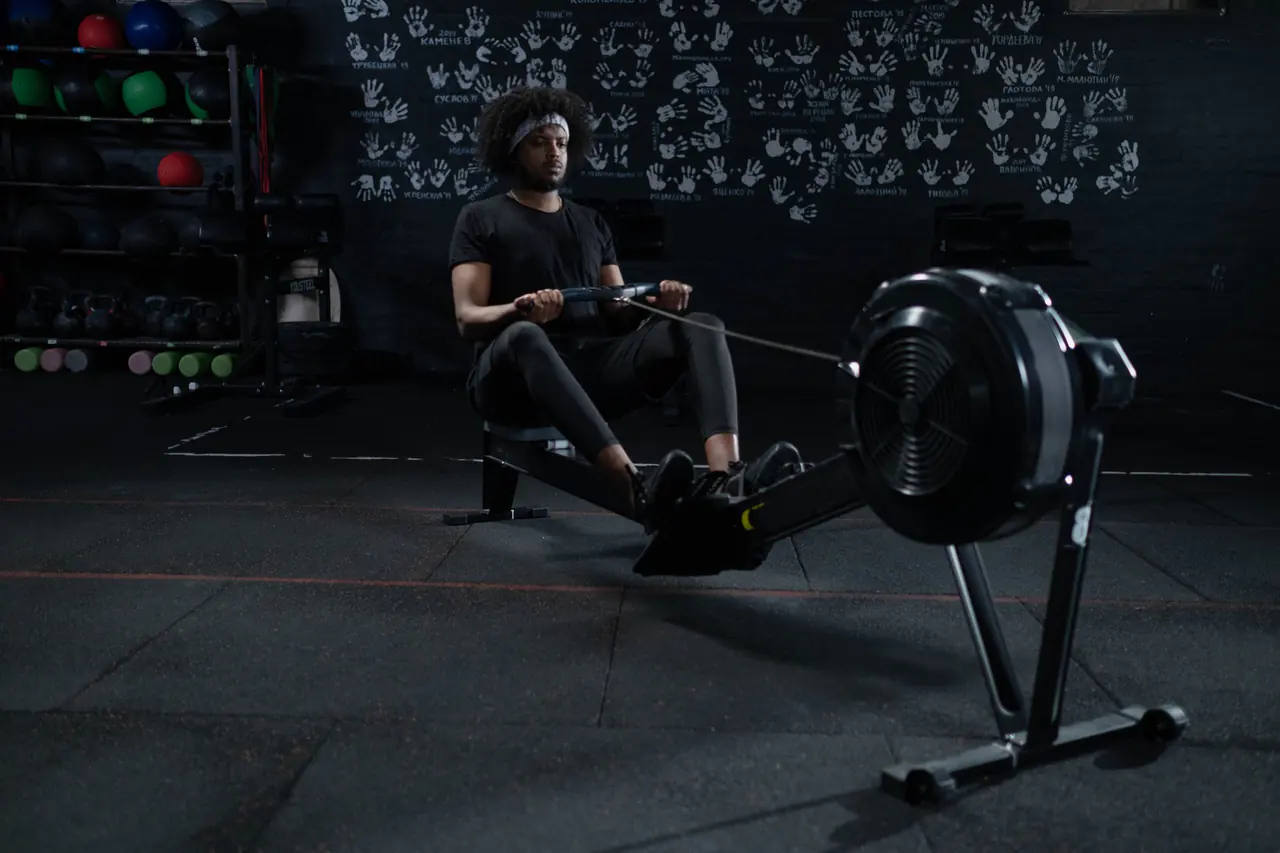
Picture this scenario. You’re at the gym on the rower and you’ve been given a target: 1000 metres in under 4:30. You’ve hit this target once before, so you know it’s achievable, but for whatever reason today you’re just not up to speed.
Maybe you had a long day at work and you’re tired. Perhaps you skipped lunch and you’re feeling a bit flat, or your mind is preoccupied with the argument you had with your partner earlier. Whatever the reason, you’ve been performing like crap all workout, and just when you think it’s over, your trainer throws you on the rower for a final sprint to the end.
The tug of war
You start off strong, with the trainer yelling in your ear to keep you going and hold that optimum pace. But within the first minute the fatigue kicks in and you notice yourself slowing down. You start doing the maths in your head and realise you’re not going to make your target in time.
You think, why even bother? I should just give up now and stop altogether. At the same time, another part of your mind tells you to put your head down and dig deep. Then the negative thoughts come back and scream at you: you’re not fit enough, you’re weak, it’s easier to just give up. Meanwhile your trainer is standing behind you telling you to keep going.
You have all these voices in your head, and you spend the entire piece listening to them as they play tug of war with your mind, either urging you to push harder or to give up. You now have a difficult decision to make.
When the positive voice wins
There are times when the positive voices and the trainer win, and they get you across the line in time. You step off that rower proud of yourself, like you’ve achieved something. Not only have your heart and cardiovascular system gotten stronger, but your willpower has too.
When it doesn’t
But at times the negative voice wins. You give up. You let go of the handle and unstrap your feet. You hunch forward, gasping for air, and say those two infamous words: I can’t.
You collapse on the floor, get your breath back, grab some water and say goodbye to your trainer. By the time you walk out the front door your heart rate is back to normal, but you don’t feel happy or like you’ve achieved anything. You feel like you’ve failed. You wonder why you stopped, and why you couldn’t endure those extra few minutes of discomfort (just think of the extra calories you would have burned).
I’m sure we can all relate to this. In that moment, the negative thoughts overran the positive ones. Losing that battle can be discouraging, and at times you might feel like never coming back, as if your fitness isn’t improving at all.
The truth is, your fitness has improved. You just let the power of your mind get the better of you.
Use the feeling
It’s important not to beat yourself up if you drop the ball occasionally. Instead, let that crappy feeling of failure be a driver for your next workout.
The next time you’re on the rower and those negative feelings start creeping back, remind yourself how you felt last time. Reassure yourself that everything is going to be okay, and that if you can endure this mild discomfort for just a little longer, you’ll be rewarded with that euphoric rush of accomplishment and endorphins afterwards.
If you want to keep training that inner strength, read Just Another Muscle.