





When most people hear the word creatine, they picture a big bloke in a stringer singlet shaking a tub of something bright blue before he hits the bench press. Maybe they think it’s a steroid. Maybe they think it’ll make them bloated and bulky.
None of that is quite right. Creatine is one of the most researched supplements on the planet, it’s not a steroid, and it might be just as useful for a 55-year-old woman in Curves & Core as it is for a 25-year-old lifter. Let me explain.
What creatine actually is
Creatine is a compound your body already makes, mostly in the liver and kidneys, and you also get some from food, mainly red meat and seafood. Most of it gets stored in your muscles.
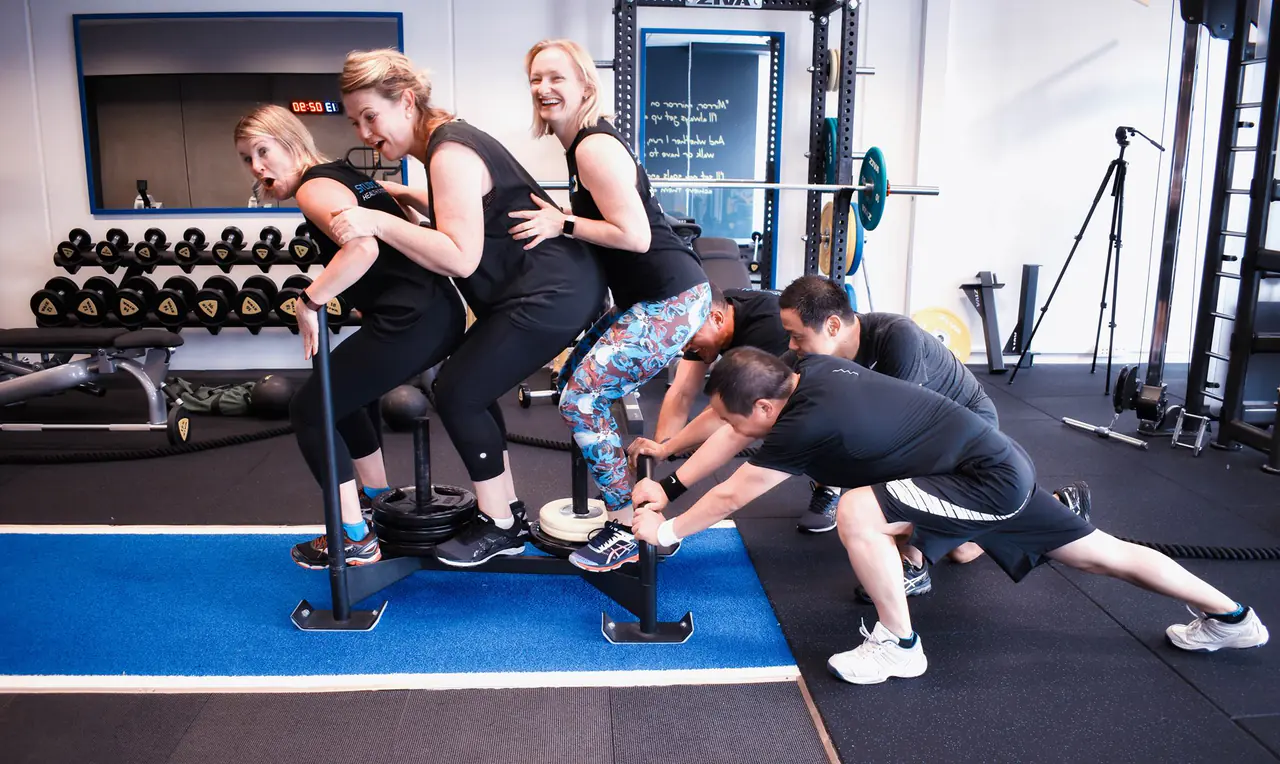
Its job is to help your muscles quickly regenerate energy during short, intense efforts. Think a heavy set of squats, a sprint, a burst of punches in Boxing Blitz, or the last few rounds of a Heroic HIIT interval. Those efforts run on a fast energy system that burns out in seconds, and creatine helps top it up.
Taking a supplement simply fills those stores up more than your diet alone usually does. With fuller stores, you can often squeeze out an extra rep or two, or recover a touch faster between sets.
Creatine doesn’t build muscle for you. It helps you do a little more work, and the work is what builds the muscle.
That’s an important point. Creatine isn’t magic. On its own, sitting on the couch, it won’t do much. Combined with consistent training, that little bit of extra work each session adds up over months into more strength and more muscle.
Who it suits
This is where it gets interesting. For a long time creatine was marketed almost entirely at young men, but research has looked at it across a much wider range of people.
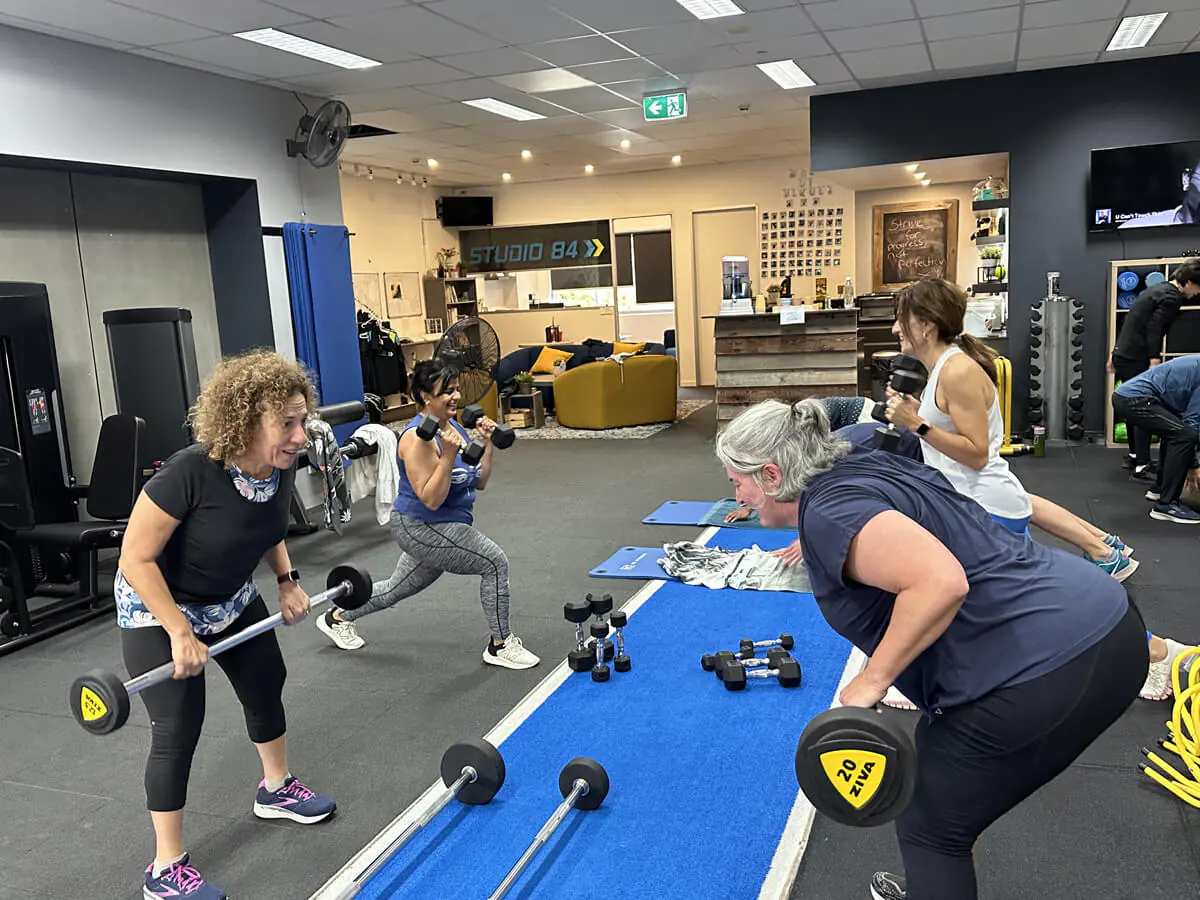
Women. Creatine isn’t just for blokes. Women tend to have lower creatine stores to begin with, and there’s a growing body of research looking at its benefits for women alongside strength training, including through and after menopause. If that’s you, have a read of Strength Training Through Menopause.
Older adults. We lose muscle and strength as we age, and creatine combined with resistance training has been shown in a number of studies to help older adults gain more strength than training alone. For members in their 60s and 70s, that’s not about looking good on the beach. It’s about getting up off the floor and carrying the shopping.
Vegetarians and vegans. Because creatine mostly comes from meat and fish, plant eaters tend to have lower levels, and some research suggests they may notice a bigger effect from supplementing.
There’s also early research into creatine and brain health, sleep deprivation and mood. It’s promising, but it’s still early days, so I wouldn’t take it for those reasons alone just yet.
How to take it
This is the best part, because it’s about as simple as supplements get.
- Type: plain creatine monohydrate. It’s the form almost all the research has been done on, and it’s usually the cheapest. Fancy blends and “advanced” versions haven’t been shown to work better.
- Dose: 3–5 grams a day, which is about a level teaspoon of powder.
- Timing: whenever suits you. Before training, after training or with breakfast. Being consistent matters a lot more than timing.
- Loading: optional. Some people take a larger dose for the first week to fill their stores faster, but taking the normal dose every day gets you to the same place within about a month, with less chance of an upset stomach.
Mix it into water, a shake, your yoghurt or your morning smoothie. It doesn’t really taste of anything. If you miss a day, don’t stress. Just take your normal dose the next day – there’s no need to double up.
When you buy it, look for a product that’s been independently tested for quality, especially if you play a sport that drug tests. Some products, particularly gummies, have been found to contain less creatine than the label claims, so a plain powder from a reputable brand is the safe bet.
The myths
“It’s a steroid.” No. It’s a naturally occurring compound found in food and made by your own body.
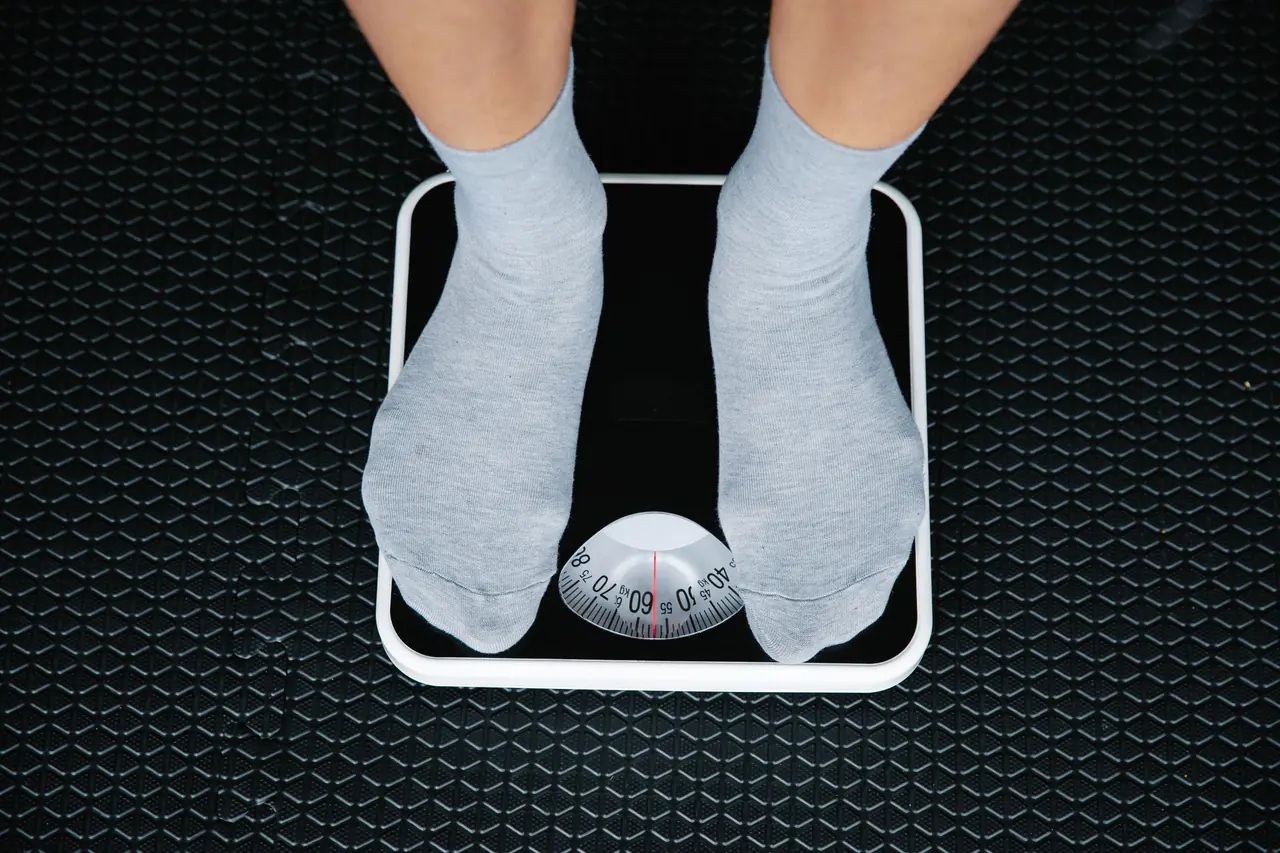
“It’ll make me bloated and bulky.” Creatine pulls a bit more water into your muscles, so some people see the scale go up by a kilo or so in the first few weeks. That’s water inside the muscle, not fat, and it isn’t the puffy, bloated look people worry about. If the scale messes with your head, read The Scale Is a Liar.
“It’s bad for your kidneys.” In healthy people taking normal doses, research hasn’t shown it to harm the kidneys. It can raise a marker on some blood tests, so tell your GP you’re taking it if you get bloods done. If you have kidney disease or any other medical condition, are pregnant, or take regular medication, talk to your GP before you start.
Is it worth it?
If you’re training consistently, eating enough protein and sleeping reasonably well, creatine is one of the few supplements with enough evidence behind it that I’m happy to mention it. It’s cheap, it’s simple and it’s well studied. A month’s supply of plain monohydrate usually costs about the same as a couple of café coffees, and there’s no need to cycle on and off it.
But it sits at the very top of the pyramid. The foundations are training, food and sleep. Get those right first, then think about creatine as the cherry on top.
For the full rundown of what’s worth buying and what isn’t, read The Supplements Worth Your Money.