







Everyone’s obsessed with protein right now. And look, I get it. I’ve written about it myself in How Much Protein Do You Actually Need?. But there’s another nutrient sitting quietly in the corner that barely anyone talks about, and most of us aren’t getting nearly enough of it.
Fibre.
It’s not sexy. Nobody’s putting “high fibre” on a can of energy drink. But if you’re trying to lose weight, feel fuller, keep your gut happy and look after your long-term health, fibre deserves a lot more attention than it gets.
What fibre actually is
Fibre is the part of plant foods your body can’t fully digest. It comes from vegetables, fruit, wholegrains, legumes, nuts and seeds. Instead of being broken down and absorbed like most food, it travels through your digestive system and does a bunch of useful jobs on the way.
There are a few types, but you don’t need to memorise them. The simple version:
- Soluble fibre (oats, legumes, apples, chia) soaks up water and forms a gel. It slows digestion and helps you feel full.
- Insoluble fibre (wholegrains, vegetable skins, nuts) adds bulk and keeps things moving.
- Resistant starch (cooked and cooled potatoes or rice, slightly green bananas, legumes) feeds the good bacteria in your gut.
Eat a variety of plants and you’ll get all three without trying.
How much do you need?
In Australia, the adequate intake for adults is about 25 grams a day for women and 30 grams for men. And the reality is that a lot of us don’t get there. When I ask new members in their free trial to tell me what they ate yesterday, I can usually spot why straight away. White toast, a ham sandwich, some pasta at night, and not a lot of colour in between.
If you’re always hungry an hour after you eat, the problem often isn’t willpower. It’s what’s missing from the plate.
Why it matters for your results
This is the bit people don’t expect. Fibre is one of the most underrated tools for fat loss.
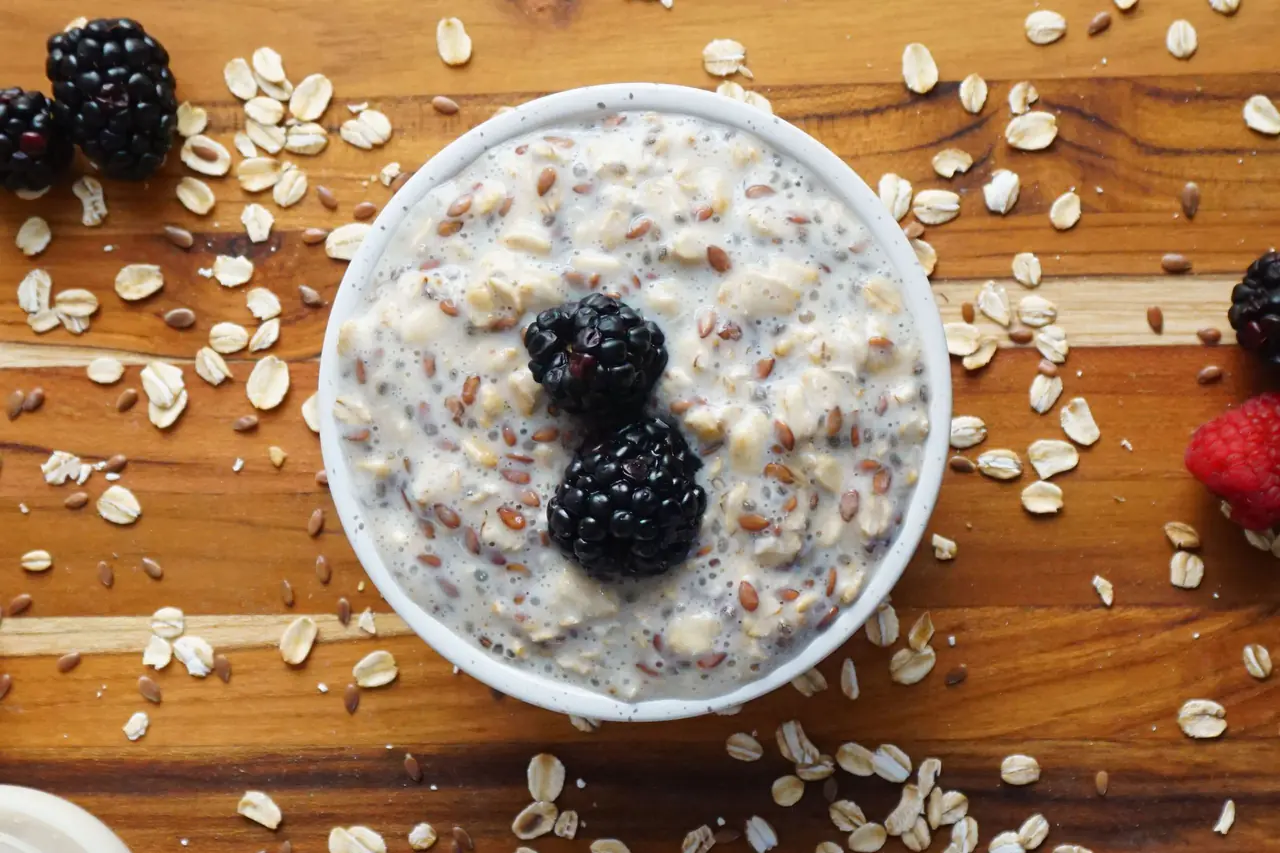
It keeps you full. High-fibre foods take up space, take longer to chew and slow down how quickly your stomach empties. A bowl of oats with berries will hold you a lot longer than a white bread croissant with roughly the same kilojoules. When you’re full, you snack less. Simple.
It steadies your energy. Fibre slows down how fast carbohydrates hit your bloodstream. That means fewer big spikes and crashes, and fewer of those mid-afternoon moments where you’d trade your firstborn for a Tim Tam.
It looks after your gut. Your gut is home to trillions of bacteria, and they love fibre. When they feed on it, they produce compounds that help keep the lining of your gut healthy. Research on the gut is still evolving fast, but a diet rich in a variety of plants is consistently linked with better gut health.
It’s good for the long game. Diets higher in fibre are linked with a lower risk of heart disease, type 2 diabetes and bowel cancer, and they can help with cholesterol. That’s not a bad return for eating a few more vegetables.
Easy swaps that add up
You don’t need to eat a bowl of bran every morning. A handful of swaps across the day will get most people a long way towards their target.
- Breakfast: swap white toast for a grainy or wholemeal loaf, or have oats with berries and a spoon of chia or LSA.
- Lunch: add a tin of chickpeas or lentils to your salad, or pick a wholegrain wrap.
- Snacks: a piece of fruit with the skin on, a handful of nuts, or carrot sticks with hummus.
- Dinner: fill half your plate with vegetables, swap some of the white rice for brown rice or quinoa, and throw beans into your mince, curries and soups.
- Leave the skin on: potatoes, apples, pears and cucumbers all have plenty of fibre in or just under the skin.
A good rule of thumb is to try to get a few different plant foods into every meal. Variety matters as much as the total.
When you’re shopping, flip the packet over and check the nutrition panel. For breads and cereals, the ones with more fibre per serve are usually the better pick, and the word “multigrain” on the front doesn’t always mean much. A white loaf with a few seeds sprinkled on top is still mostly a white loaf.
Go slow, drink up
One word of warning. If you’re currently eating very little fibre, don’t go from zero to a mountain of lentils overnight. Your gut needs time to adjust, and if you rush it you’ll be bloated and windy, and your fellow members in Sweat Strong won’t thank you.
Add a bit more each week, and drink more water as you go. Fibre works by holding water, so if you don’t drink enough, it can actually make things worse.
What about fibre supplements? They can have a place, and some people find them useful, but they don’t give you the vitamins, minerals and variety that come with real plant foods. Food first. If you have an ongoing gut issue like IBS, or any big changes in your digestion, have a chat with your GP or a dietitian before making big changes. Some people do better with a more tailored approach.
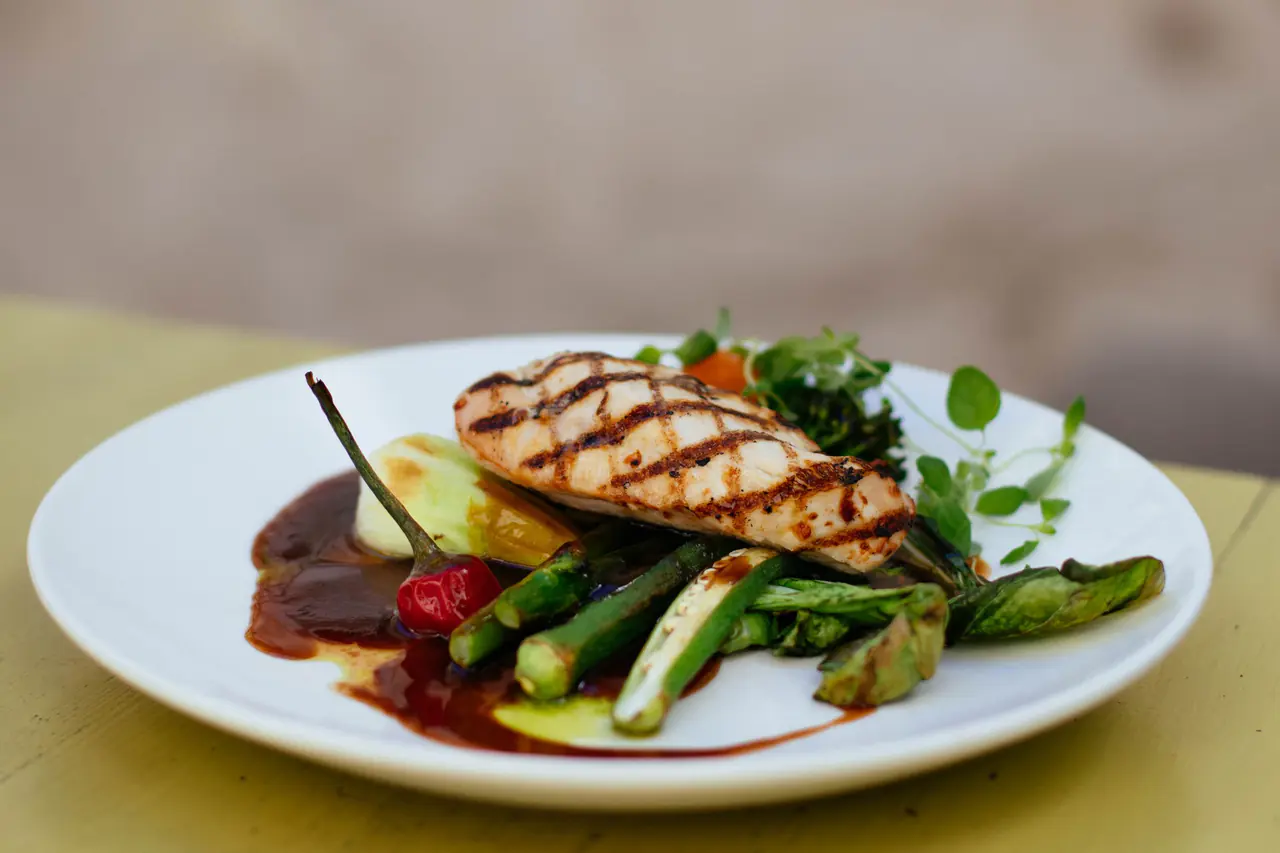
Protein gets all the headlines, but fibre does a lot of the quiet work behind the scenes. Get them both right on the same plate, a palm of protein and a pile of plants, and you’ve basically nailed the foundations of eating for results.
Want more ways to get protein from real food too? Read Protein Without the Powder.