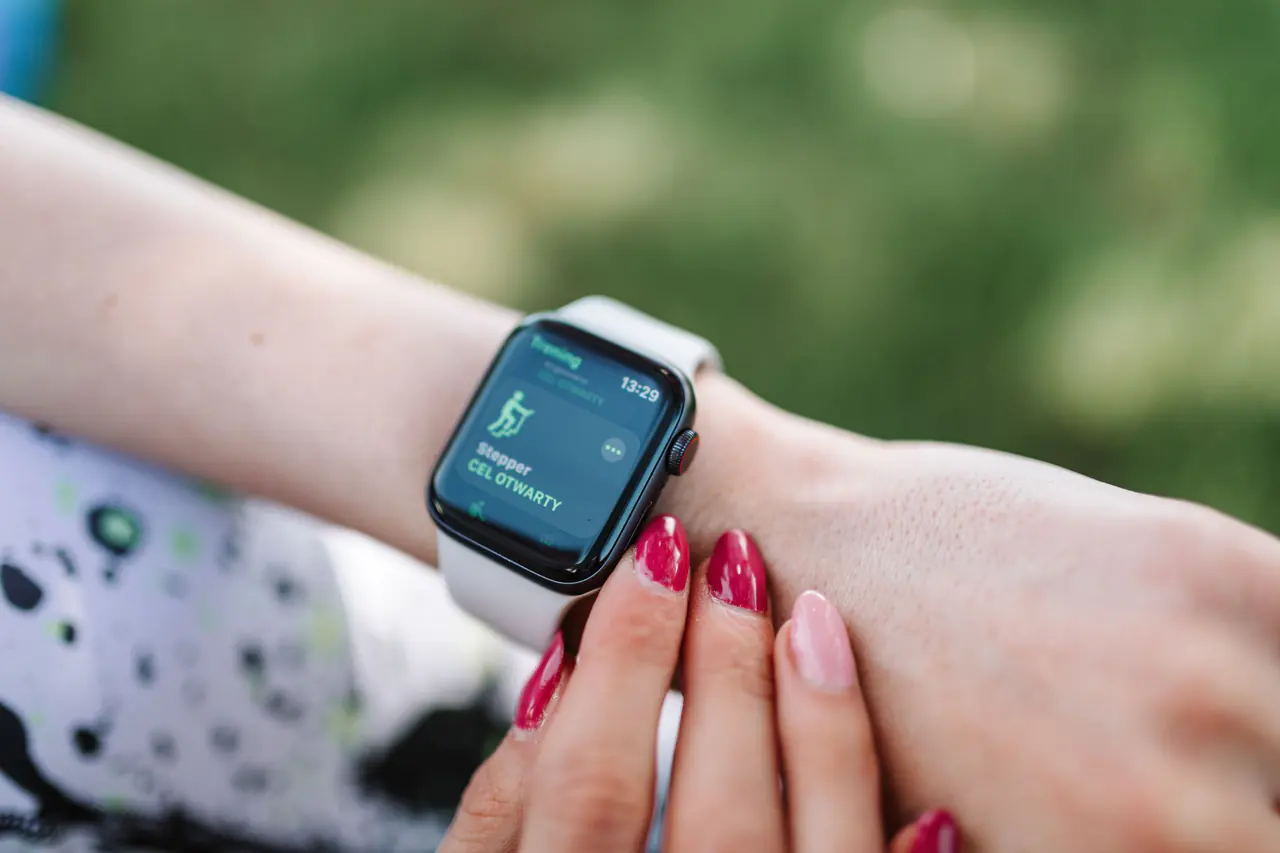



Look around the studio during any class and you’ll see a sea of wrists lighting up. Apple Watches, Garmins, Fitbits, Whoop straps, rings. Wearable tech has been at the top of the fitness trend lists for years, and for good reason. These things are genuinely useful.
But I’ve also watched people finish a brilliant session, glance at their wrist, and look disappointed because the number wasn’t big enough. That’s when I know the watch has stopped being a tool and started being the boss.
So let’s talk about what your watch is good at, where it falls short, and how to use it without letting it run your life.
What wearables do really well
The biggest strength of a wearable is that it’s always on. It collects data every day, whether you’re thinking about it or not. That makes it fantastic for spotting patterns over time.
- Steps and daily movement. Not perfect, but consistent enough to tell you if you’ve had an active week or a sedentary one.
- Resting heart rate trends. If your resting heart rate creeps up for a few days, it can be an early hint that you’re run down, getting sick or not sleeping well.
- Consistency. Seeing four training sessions logged every week for three months is motivating. It shows you who you’re becoming, and on the days you don’t feel like coming in, a streak can be the thing that gets you out the door.
- Heart rate during steady exercise. For a walk, a jog or a steady ride, wrist heart rate is usually in the right ballpark.
Where the numbers get shaky
Here’s what the marketing doesn’t tell you. Some of the numbers on your watch are estimates built on estimates.
Calories burned is the big one. Your watch doesn’t know exactly how much energy you’re using. It’s guessing based on your heart rate, movement, age, weight and an algorithm. Studies that have tested these devices against lab measurements have often found the calorie figures can be out by a long way, in either direction.
That matters, because I see people eat back the 700 calories their watch says they burned in a class, and then wonder why the scale isn’t moving.
Heart rate during strength or interval work is another weak spot. When you’re gripping a kettlebell, punching pads in Boxing Blitz or doing burpees, your wrist is flexing and moving fast. Optical sensors can lag or lose the signal. A chest strap is much more accurate if you really care.
Sleep stages are estimates too. Your watch can do a decent job of telling you roughly how long you slept, but how much of that was “deep” or “REM” is an educated guess. Good for spotting a run of bad nights. Not something to lose sleep over. (Yes, people do.)
Your watch is a weather report, not a verdict. It gives you clues. You still have to look out the window.
The readiness score trap
A lot of devices now give you a morning score: readiness, body battery, recovery, whatever they call it. It combines things like your sleep, heart rate and heart rate variability into one number.
These can be helpful as a nudge, and on a morning when you’re genuinely wiped out, it’s nice to have a second opinion that says the same thing. But I’ve had members skip a session because their watch said they were “not recovered”, when they actually felt fine. And I’ve had others push through a hard class with a great score when they were clearly coming down with something.
Here’s my rule: check in with yourself first. How did you sleep? How do your legs feel? What’s your mood like? Then look at the score. If both say you’re tired, take it easier. If they disagree, trust yourself, and maybe just turn the intensity down a notch rather than skipping altogether.
How to use your watch well
- Look at weekly and monthly trends. One bad night or one high heart rate reading means very little. A pattern over two weeks means something.
- Use calories as a rough guide only. Don’t eat back what your watch says you burned. Base your eating on how your body and your measurements are actually changing.
- Pick one or two numbers that matter to you. Maybe that’s steps and resting heart rate. You don’t need to track twenty metrics.
- Turn off notifications that stress you out. If a buzzing reminder to stand up makes you anxious rather than helping, switch it off.
- Take it off sometimes. A session with no tracking at all can be a nice reminder that you train because it feels good, not to feed an app.
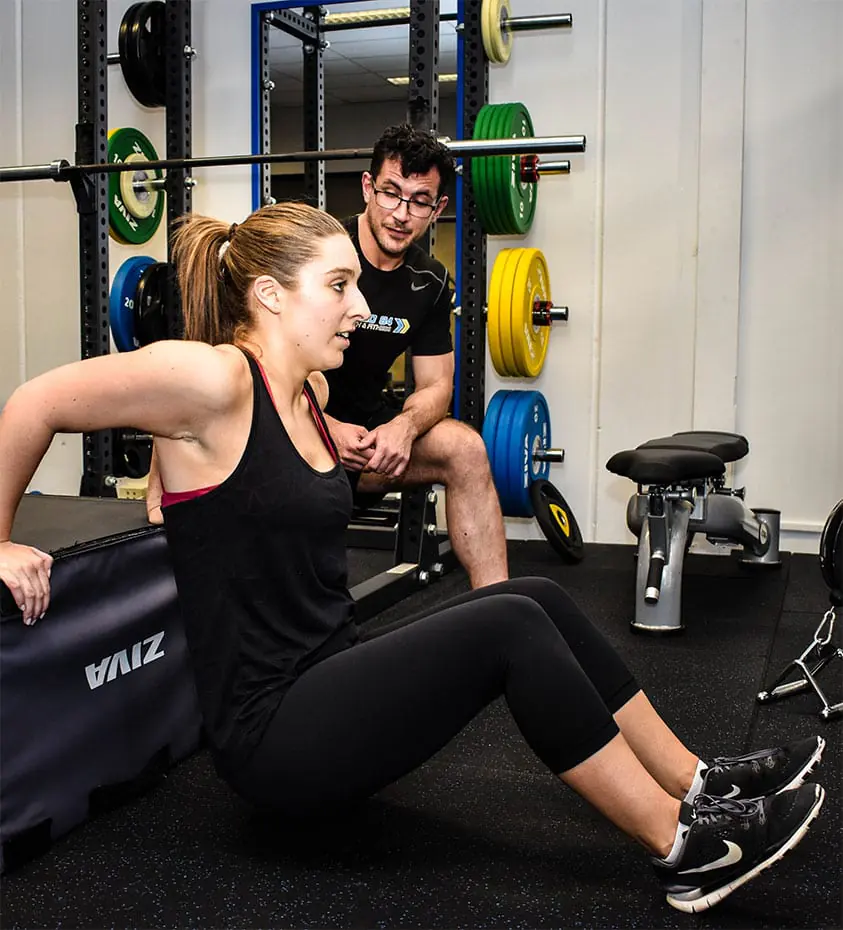
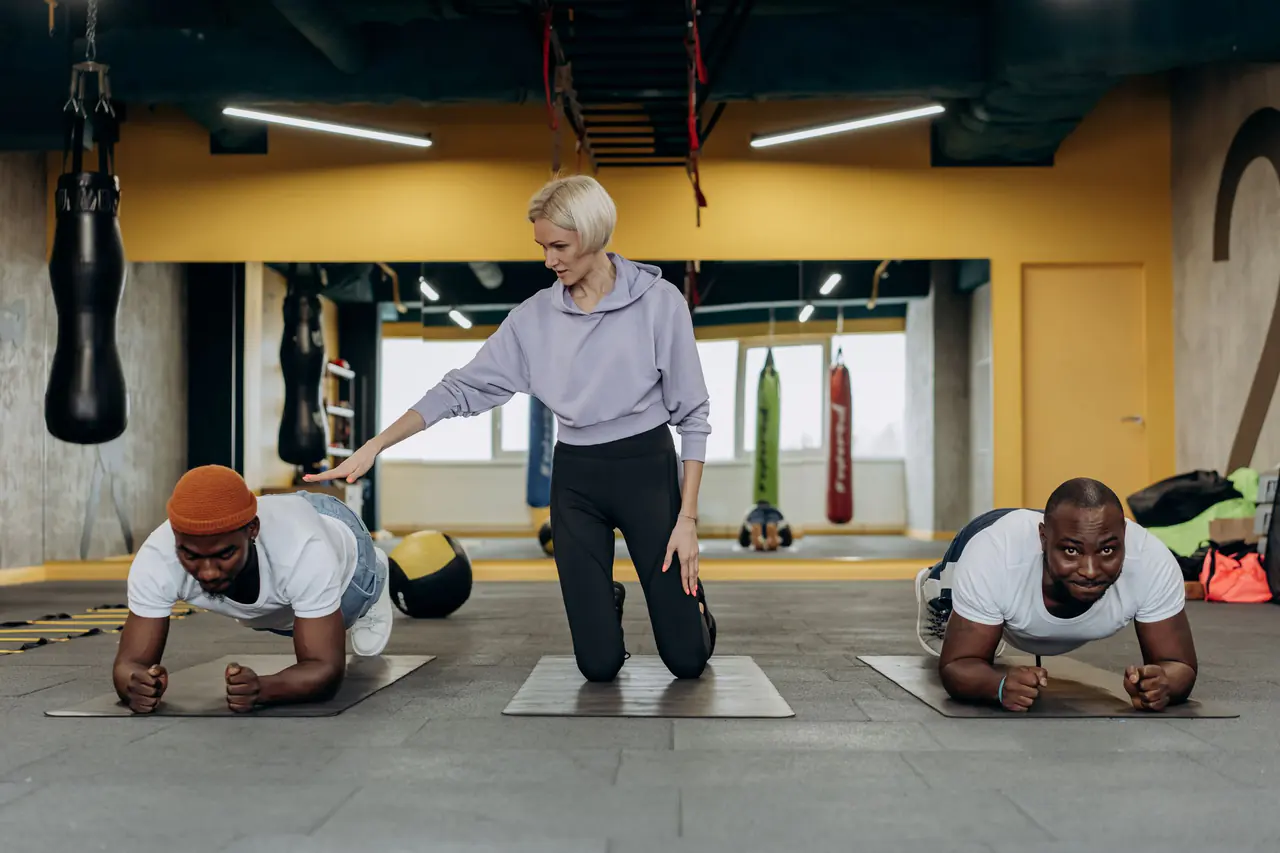
And remember what your watch can’t do. It can’t see your squat depth. It can’t tell you your knees are caving in on a lunge, or that you’re arching your back on a press. It doesn’t know you’ve had a horrible week at work and need a session that lifts you up rather than flattens you.
That’s what coaching is for. In our semi-private sessions, with no more than four people, we’re watching how you move, how you’re feeling and how you’re progressing. Data is useful. A good coach who knows your name, your history and your goals is better.
The bottom line
I’m a fan of wearables. They get people moving, they keep people consistent, and they can flag when something’s off. Just remember what they are: clever guesses that are most useful over time.
Use the trends. Take the single-day numbers with a grain of salt. And never let a little screen on your wrist tell you a great session didn’t count.
If you want to understand one of the most useful numbers your watch tracks, read What Your Resting Heart Rate Is Telling You.