
“I’m too old for that.”
I hear it all the time. Usually from someone standing at the front desk, looking past me at the gym floor, watching someone half their age push a sled. They’ve decided weights are for young people, and that their job now is to take it easy.
I get it. But I want to gently push back, because I think “taking it easy” is one of the worst things you can do as you get older.
The age myth
Somewhere along the line, we started believing that lifting weights gets dangerous as you age. That older bodies are fragile and should be protected from anything heavy.
The truth is pretty much the opposite. Your body responds to strength training at any age. The process that makes muscles stronger when you challenge them doesn’t switch off at 60 or 70. It might be a bit slower, but it’s still there, waiting for you to give it a reason.
And for older people, the payoff is arguably bigger than for anyone else. A 25-year-old who skips strength training is missing out on some gains. A 75-year-old who skips it is slowly losing the ability to get off the toilet without help, to carry groceries, to walk confidently on uneven ground.
Australia’s Physical Activity Guidelines for older adults specifically recommend doing some form of activity every day, including exercises for strength, fitness, balance and flexibility. Strength isn’t an optional extra in later life. It’s part of the recipe.
What we see at the studio
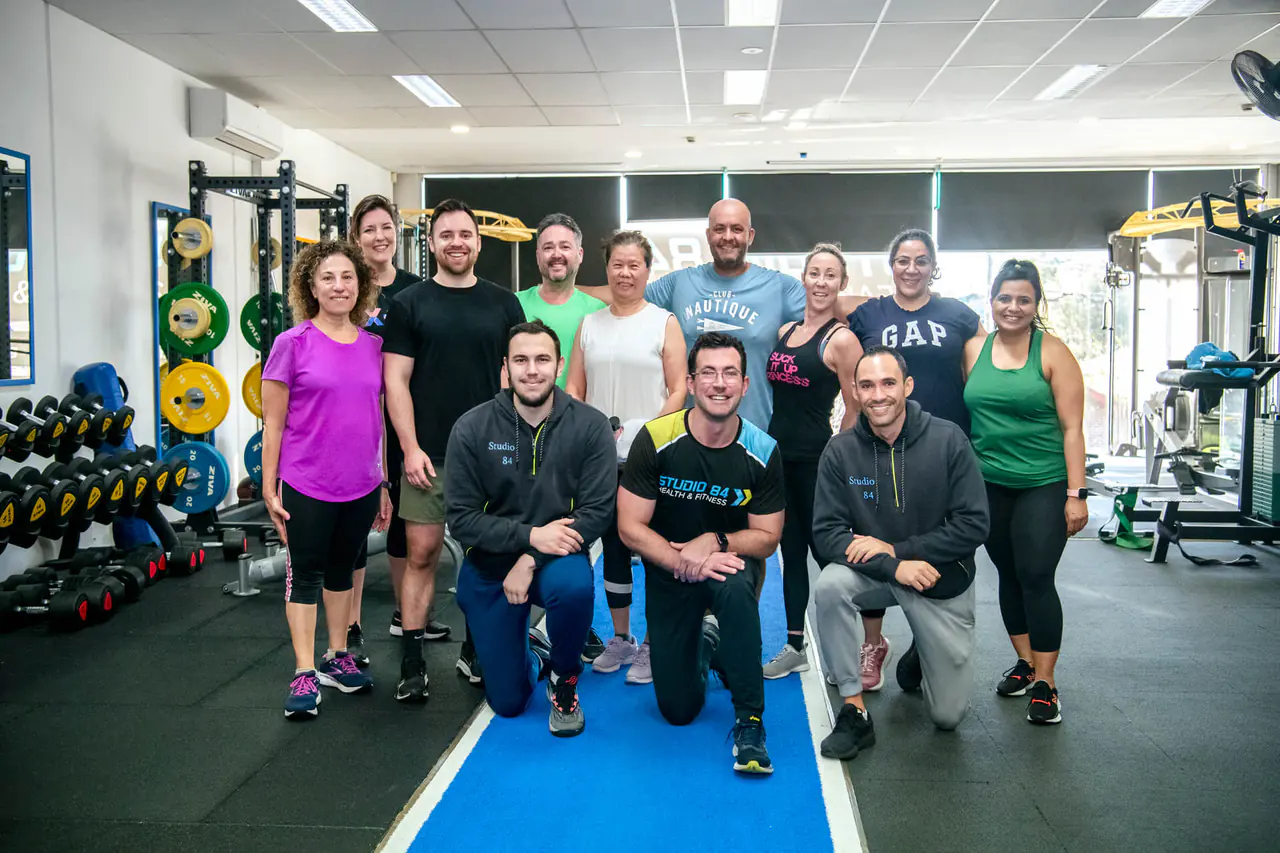
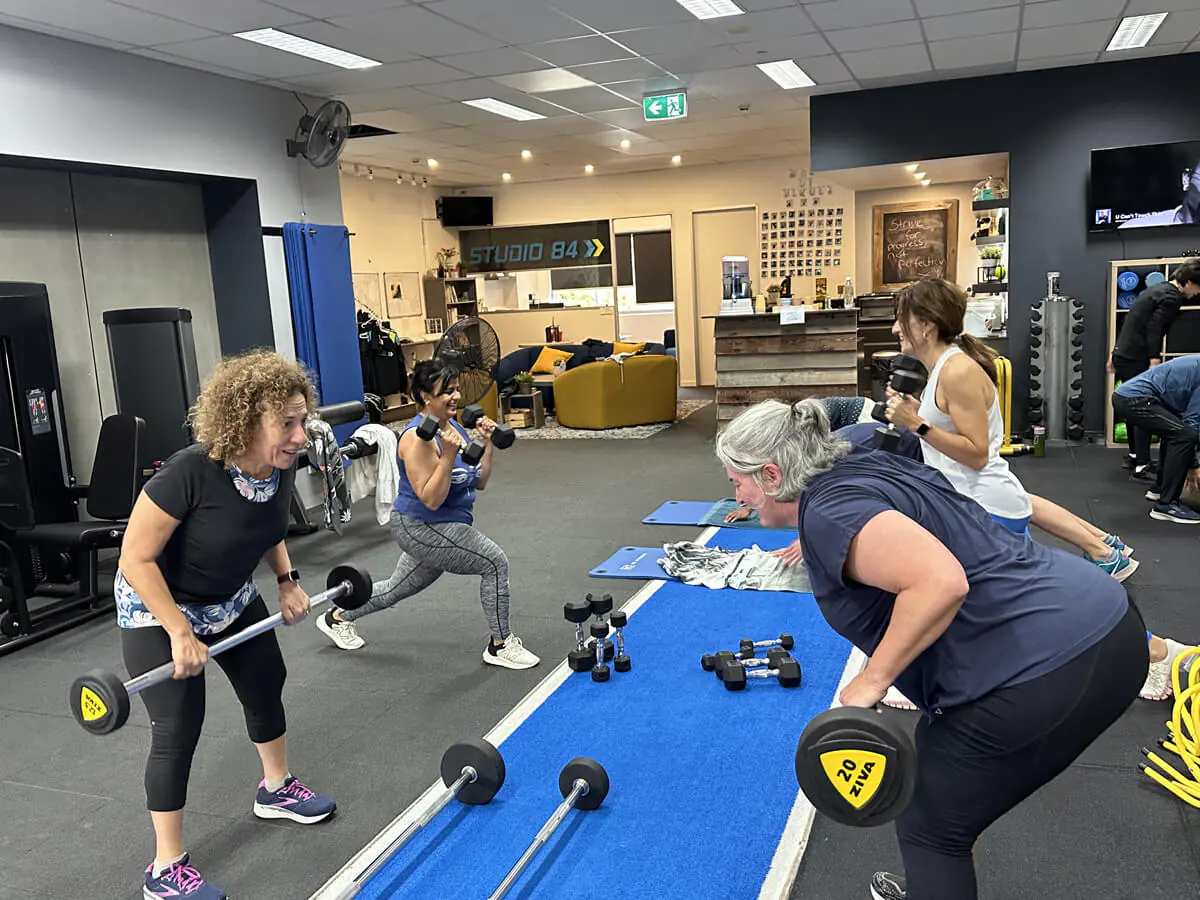
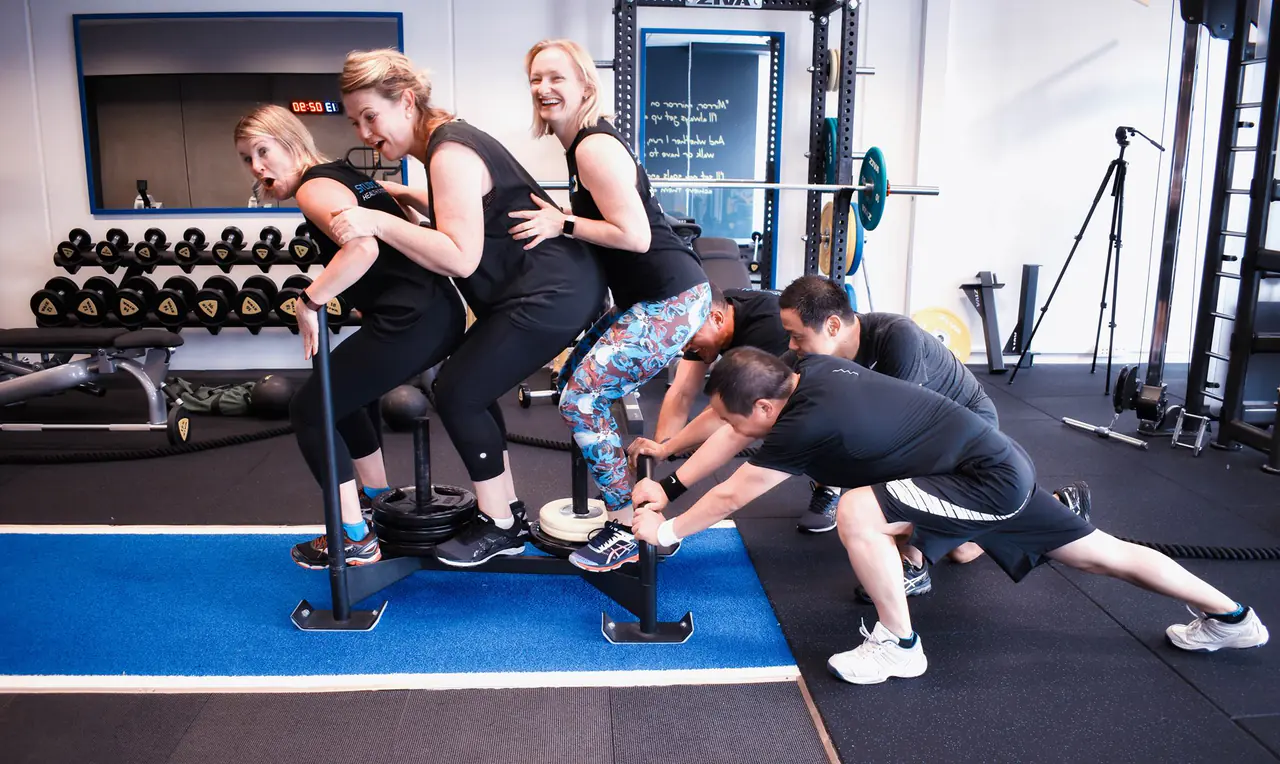
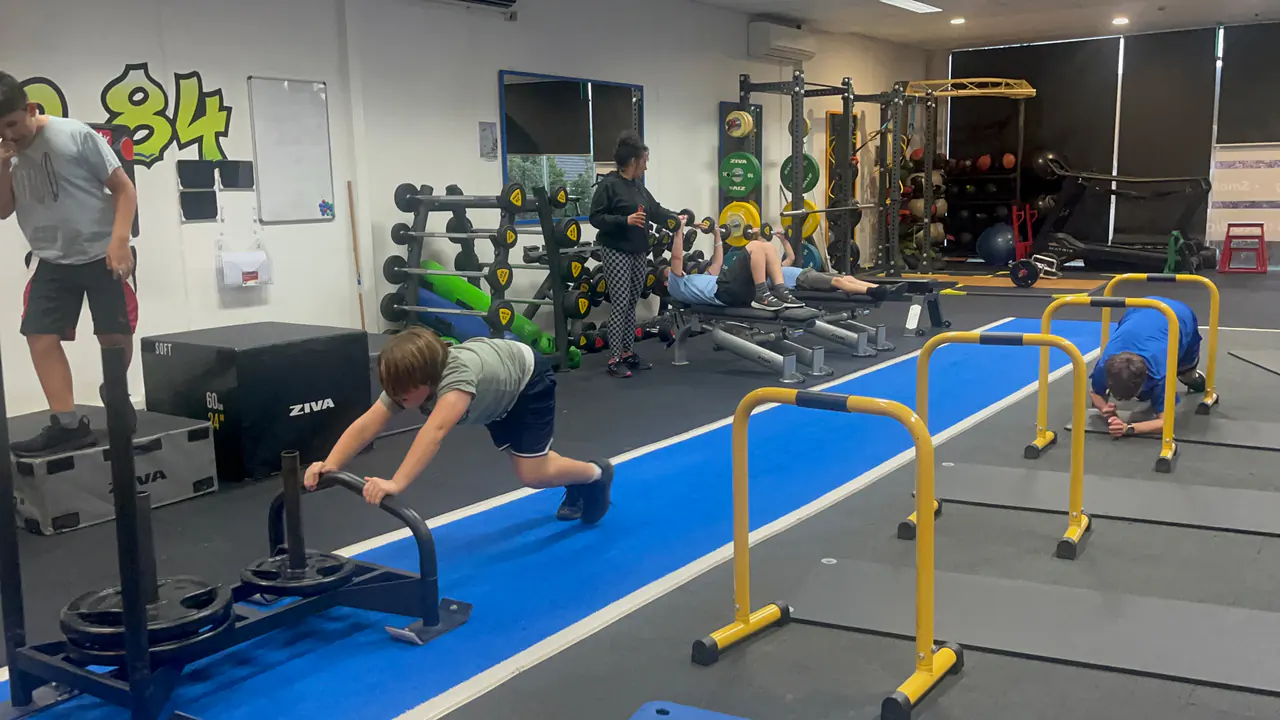
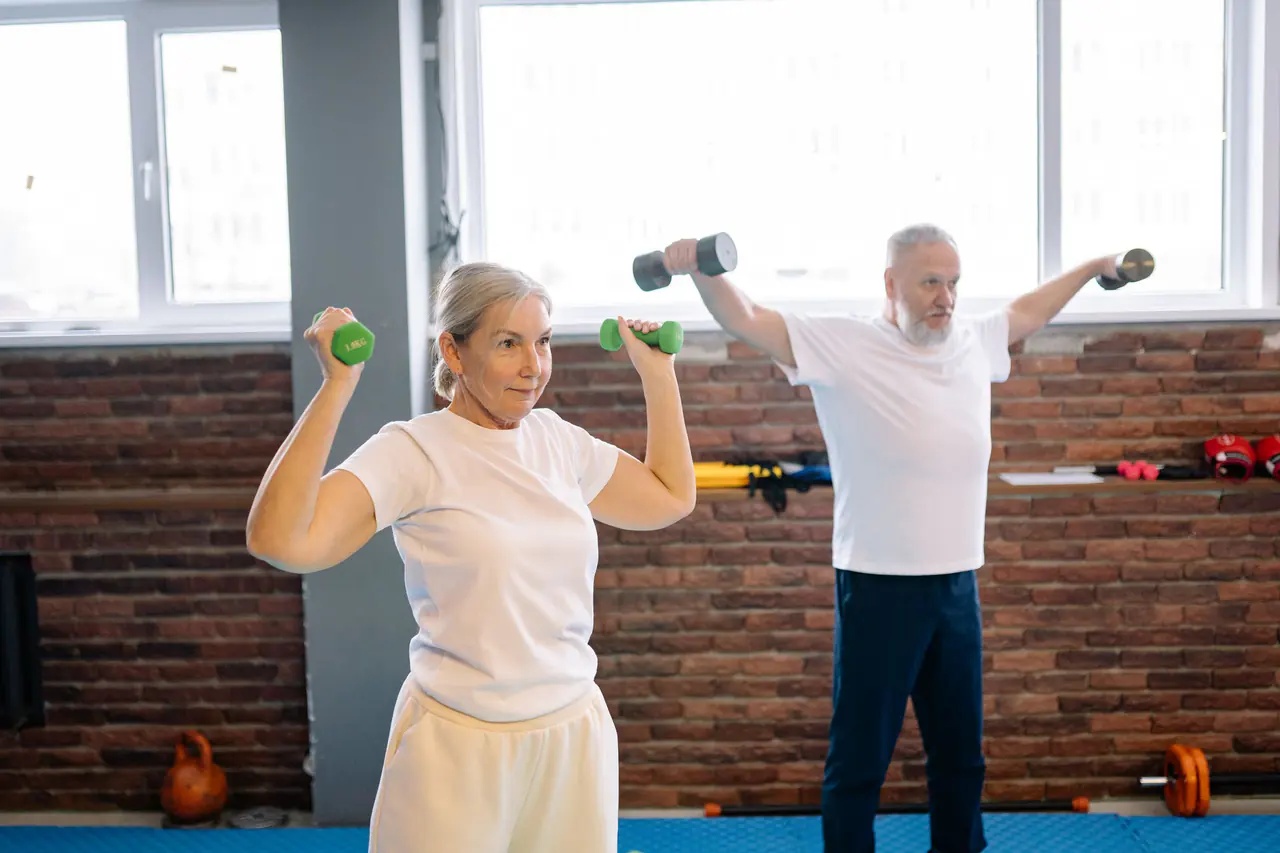
At Studio 84 we’ve got members ranging from kids of 8 right up to people in their seventies. Some of the most dedicated people in the building are the ones with grey hair. They turn up, they work hard, and they’re genuinely strong.
What strikes me most isn’t the weight on the bar. It’s what happens outside the gym. They tell us they’re gardening again without a sore back. That they walked a hilly holiday they would’ve skipped five years ago. That they feel steady on their feet and don’t worry about falling the way they used to.
Strength training in later life isn’t about lifting heavy for the sake of it. It’s about keeping the life you want to live.
Starting safely
If you’re new to lifting, or coming back after a long break, here’s how I’d approach it.
Check in with your GP first. Especially if you’ve got a heart condition, high blood pressure, joint replacements, osteoporosis or anything else that affects how you move. It’s a quick conversation, and it gives you peace of mind.
Start lighter than you think. Your first few weeks are about learning the movements, not testing your limits. Get the technique right with a light load and the weight can come later. There’s no rush.
Focus on the big, useful movements. Sitting down and standing up from a box (a squat), picking something up off the floor (a hinge), pushing and pulling, and carrying weight. These are the movements of daily life, so training them pays off directly. I go through them in The Only Four Moves You Need.
Build up gradually. Once a weight feels comfortable for all your reps, it’s time to go a little heavier. Small jumps, regularly, add up to big changes over months.
Respect recovery. Older bodies can take a little longer to bounce back between sessions. Two or three strength sessions a week, with rest days in between, is a great place to be.
Include balance work. Strength and balance go hand in hand. Single-leg exercises, stepping drills and controlled movements all help. More on that in Balance Is a Skill, So Practise It.
Aches, pains and old injuries
Almost everyone over 50 walks in with some kind of history. A dodgy knee, a shoulder that clicks, a lower back that’s been grumbling for years. That’s normal, and it doesn’t rule you out.
In fact, sensible strength training often helps. Stronger muscles support your joints and take load off the structures that have been doing all the work. Plenty of people find their nagging aches settle once they’ve built some strength around them.
The key is working around the problem intelligently rather than ignoring it or avoiding exercise altogether. A good coach will modify movements, choose alternatives and progress you at the right pace. If something hurts in a sharp or worrying way, stop and get it checked.
Why coaching helps
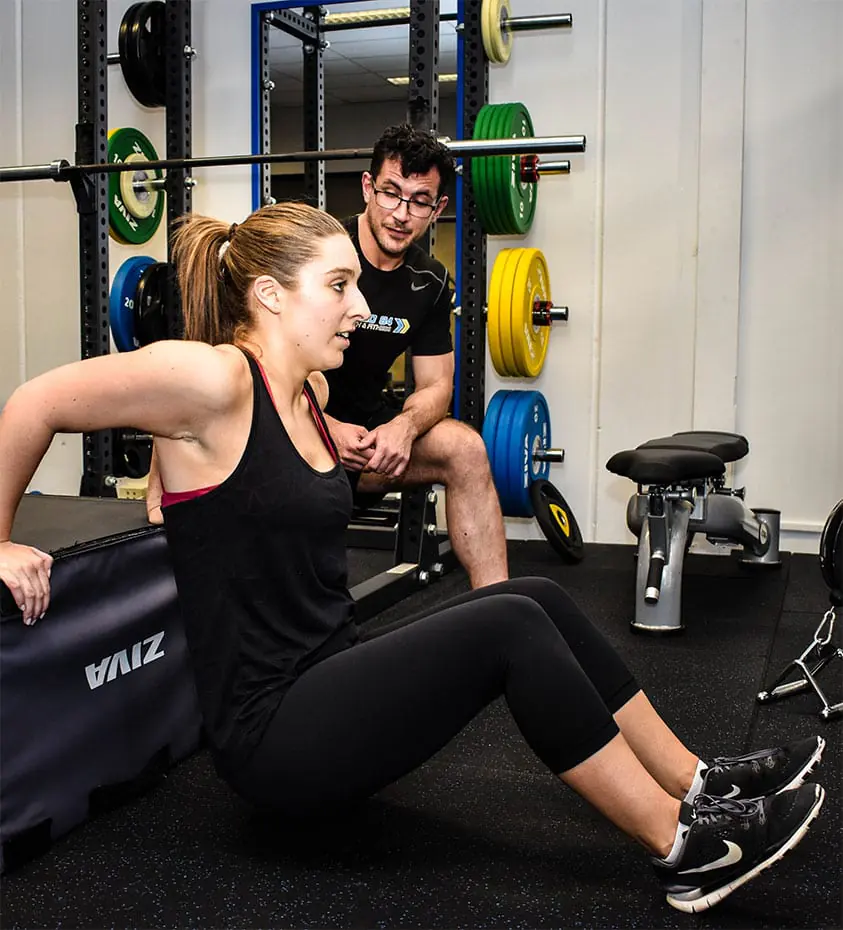
You can absolutely train on your own. But when you’re starting later in life, having someone watch your technique, adjust your program and keep an eye on how you’re recovering makes a big difference.
It’s one of the reasons semi-private training is so popular with our older members. There are never more than four people in a session, so the coach can give everyone proper attention, while you still get the company and a bit of friendly competition. And every new member starts with a movement screening as part of the free trial, so we know exactly where you’re starting from.
Stop waiting
If you’ve been telling yourself you’re too old, I’d ask you this: too old compared to what? Compared to the person you’ll be in five years if you don’t start? Because that person is going to wish you’d begun today.
You don’t need to be fit to start. You don’t need to know your way around a gym, own the right gear or keep up with anyone else. You just need to turn up, start light and be patient with yourself for the first few weeks while your body works out what you’re asking of it.
Your body is still listening. Give it a reason to get stronger, and it will.
For the bigger picture on why this matters, read Muscle Is Your Retirement Plan.