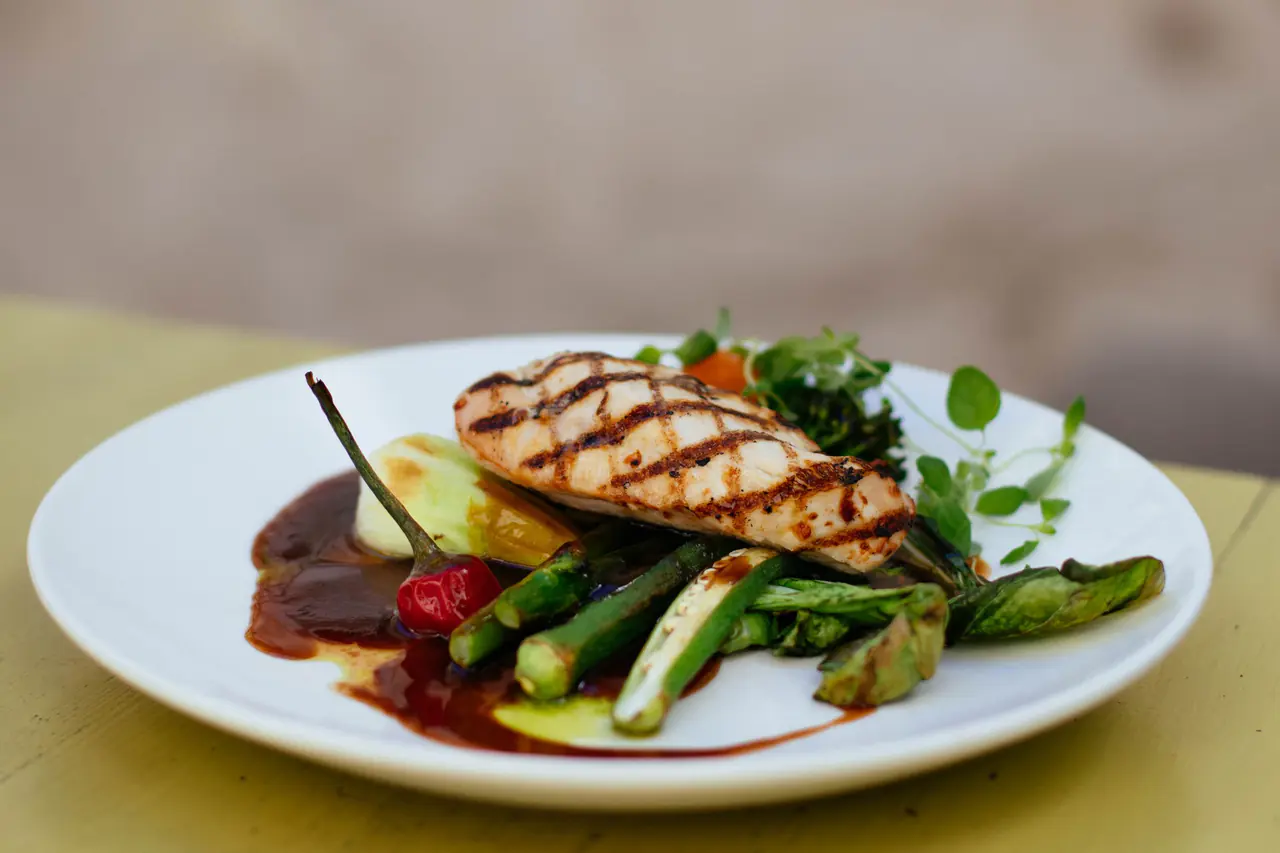
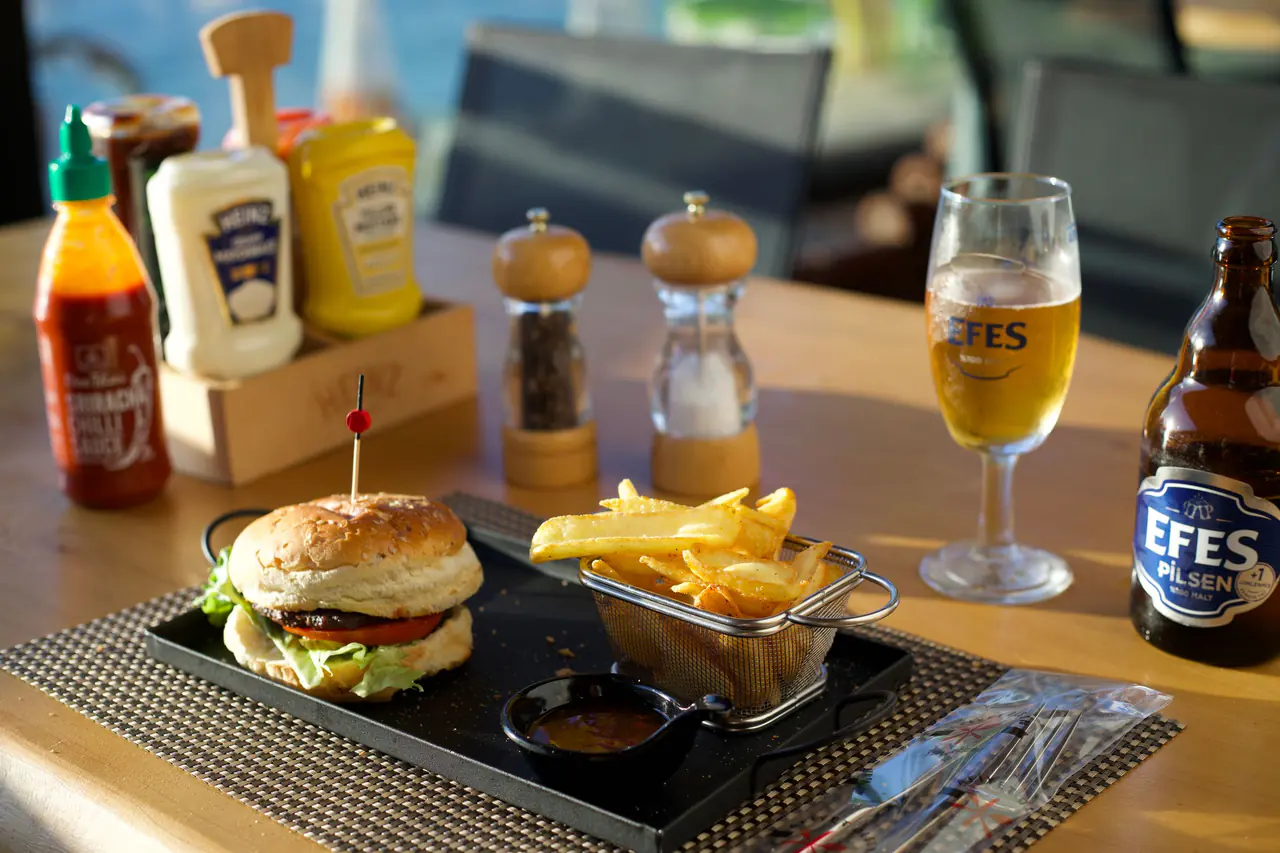



“Sam, go out and order yourself a burger and fries, but DON’T have the beer.”
That’s what my bodybuilding coach said to me one Friday afternoon when I was four weeks out from my next competition. After many weeks of hard dieting my metabolism had started to slow, and it needed a jumpstart from a high-calorie meal. By no means, though, was I allowed to have a beer. So there I was at the pub that night eating a greasy burger with cheese, bacon and a side of fries, and I couldn’t wash it down with a cold beer.
The reason was the effect it would have on my weight the following morning. My coach explained that the burger on its own wouldn’t make much difference to my overall weight, but combining it with alcohol would.
Why alcohol is different
This really opened my eyes to how alcohol affects weight loss. Yes, alcohol has calories – roughly 100 to 130 per standard drink, and we can knock back plenty of those in a single night. But it’s more destructive because of the way the body prioritises it over other energy sources.
When we eat fats, carbs or protein, the body uses a portion of those calories to replenish glycogen, rebuild muscle and keep our hormones in balance. Once that’s done and dusted, it uses the rest for energy, and whatever is left over gets stored as fat.
Alcohol is different. The body doesn’t need it for any of its basic functions. It treats it as a foreign substance and gets to work burning it off first, ahead of the other macros. That means more of the fat, protein and carbs you ate alongside it are left over – and it’s the calories from that food that end up stored as fat.
Food and alcohol together
Alcohol on its own isn’t the big problem for weight loss; it’s when you pair it with high-calorie food. A big night out at a bar probably won’t hurt your weight loss as much as you think, because you’re likely to eat far more at a restaurant than at a bar. But if you have a few drinks after a big meal, a bigger share of the calories from that food is going to be stored as fat.
I by no means recommend drinking on an empty stomach – that’s a recipe for disaster. Instead, keep your meals light before, during and after a drinking session. Go for high-protein, low-fat, low-carb meals. This will reduce the damage from a day or night on the drinks.
The 48-hour hangover
Also be aware that alcohol can stay in your system for up to 48 hours. You might feel fine the next day and think you’ve dodged a hangover, but the moment you start exercising you’ll feel it. It slows everything down, including your central nervous system, which means you’ll lose stamina and strength. I know from personal experience that if I have a big Saturday night, I won’t bother lifting heavy in the gym until Tuesday.
There’s nothing wrong with having a few drinks on the weekend, or even midweek. Just be prepared for the aftermath and for what you need to do in the lead-up. If you think about it, though, is restricting your calories before and after a drinking session worth it? Is it worth it knowing full well you won’t be training at your peak for the next two days?
For weight loss you can have your burger and fries, or you can have your beers and wine. You just can’t have both.
It’s all about balance.