




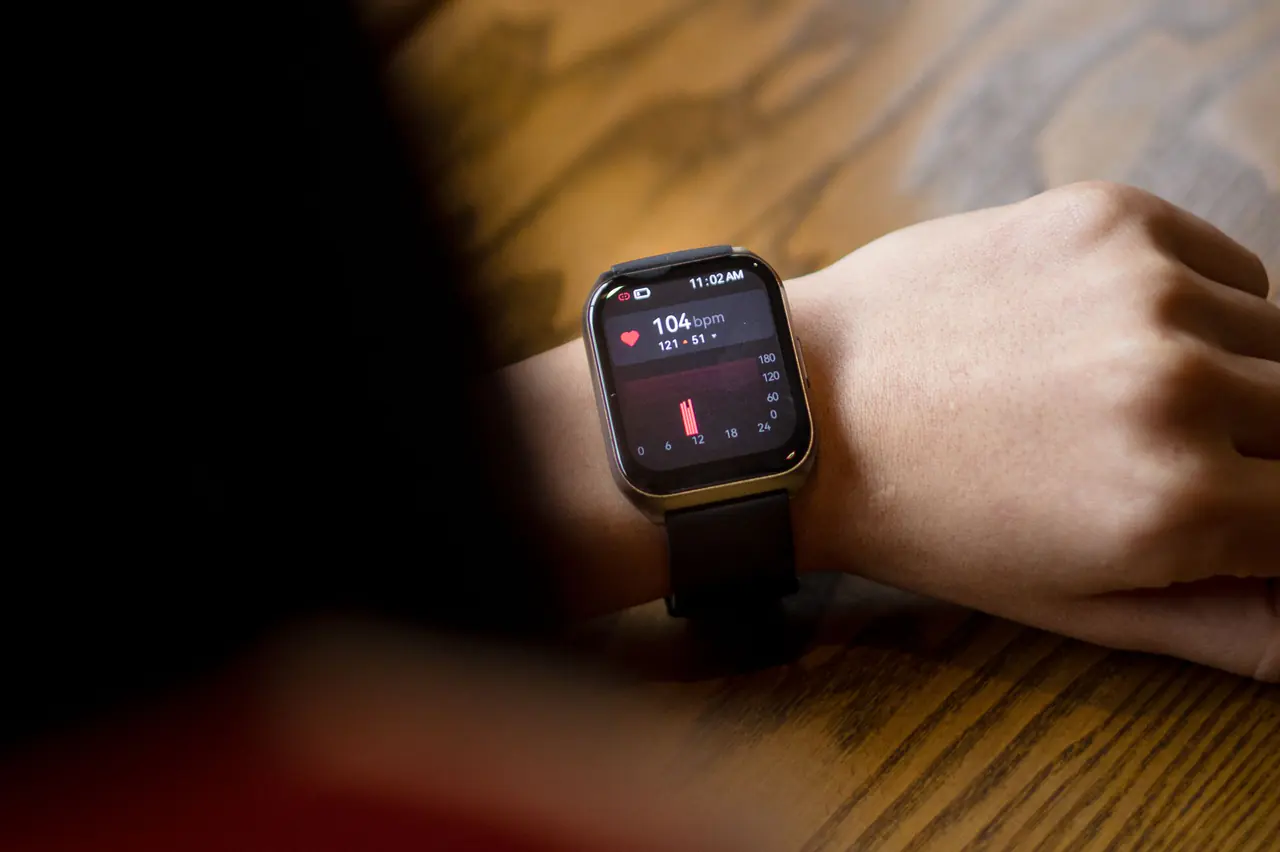




If you wear a smartwatch or fitness ring, there’s a good chance it’s tracking your resting heart rate. Most people glance at it, shrug and move on. That’s a shame, because it’s one of the more genuinely useful numbers your device collects.
Used well, it can help you train smarter, spot when you’re run down and notice when something just isn’t right.
What is resting heart rate?
Your resting heart rate is how many times your heart beats per minute when you’re completely at rest. The best time to measure it is first thing in the morning, before you get out of bed, or while you’re asleep, which is what most wearables do.
For most adults, a resting heart rate somewhere between 60 and 100 beats per minute is considered normal. People who do a lot of aerobic exercise often sit lower than that, sometimes well below 60, because their heart has become more efficient. Each beat pushes out more blood, so it doesn’t have to beat as often.
But here’s the key thing: the number itself isn’t a score. Someone with a resting heart rate of 52 isn’t automatically healthier than someone sitting at 64. Genetics, age, medications, body size and plenty of other things play a part.
What matters is your own baseline, and how it changes over time.
Don’t compare your heart rate to your mate’s. Compare it to your own last month.
After a few weeks of wearing a tracker, you’ll get a feel for your normal range. Once you know that, you can start reading the changes.
What moves it up and down
If your resting heart rate jumps above your usual for a day or two, it’s often a sign your body is under extra strain. Common reasons include:
- Poor sleep, or a run of short nights
- Alcohol, especially a few drinks the night before
- Getting sick. It often rises a day or so before you notice symptoms
- Stress, from work, family or anything else
- Hard training without enough recovery
- Dehydration or heat
- Caffeine, if you’re particularly sensitive to it
One high reading on its own doesn’t mean much. But if it stays above your usual range for several days in a row, it’s worth paying attention.
Over the longer term, regular aerobic exercise tends to bring resting heart rate down. That’s one of the nice markers of improving fitness. Better sleep, less alcohol and lower stress can all help too.
If you’ve been training consistently for a few months and your morning number has drifted down a few beats, that’s a small but satisfying sign your heart is getting fitter. It’s one of my favourite things to point out to members who feel like they’re not making progress, because the scale and the mirror don’t always tell the full story.
Using it to guide your training
This is where it gets practical. I don’t want anyone obsessing over their numbers, but here’s a simple way to use resting heart rate:
- Normal reading and you feel good? Train as planned.
- A bit higher than usual but you feel fine? Train, but maybe keep the intensity moderate. Have a crack, but don’t chase personal bests.
- Noticeably higher for a few days, and you feel flat? That’s your cue to pull back. Sleep more, eat well, swap a hard class for a walk or a mobility session.
- Higher and you’re feeling unwell? Rest. Training hard while you’re getting sick usually makes it worse and longer.
The most important part is pairing the number with how you actually feel. Your watch gives you a clue. You still need to check in with your body. (I go into more detail in Your Watch Isn’t Your Coach.)
What about heart rate variability?
A lot of devices also track heart rate variability, or HRV. It sounds complicated, but the idea is fairly simple. Your heart doesn’t beat like a perfect metronome. There are tiny variations in the time between each beat.
Generally, when you’re well rested and relaxed, there’s a bit more variation. When you’re stressed, tired or sick, it tends to drop.
A few things to keep in mind about HRV:
- It’s very individual. One person’s normal might be double another’s. Comparing yours to anyone else is pointless.
- It bounces around a lot from day to day. Look at the weekly trend, not the single reading.
- Different devices measure it differently, so don’t compare numbers between brands either.
Used sensibly, HRV is another clue, alongside resting heart rate, sleep and how you feel, that helps you decide whether to push or ease off.
When to talk to your GP
Your wearable is not a medical device, and it’s not a substitute for a doctor. Please book in with your GP if you notice things like:
- A resting heart rate that is consistently well above 100, or unusually low and you feel dizzy, faint or exhausted
- A heartbeat that feels irregular, fluttering or racing for no obvious reason
- A big, unexplained change from your usual numbers that doesn’t settle
And if you ever have chest pain, severe shortness of breath or feel like you might pass out, don’t wait. Call triple zero.
To wrap up: your resting heart rate is a quiet little signal about how your body is coping. Learn what’s normal for you, notice when it shifts, and use it as one of several clues for when to push and when to rest.
If it’s telling you to back off, take the hint. Have a look at Rest Days Are Training Days for how to make that time count.